
How Automotive Window Tint Reduces Interior Heat and Protects What Matters Most
Much like routine maintenance or a quality set of tires, automotive window tint is one of those upgrades that consistently proves its value over time. While many drivers initially associate window tint with improved aesthetics or added privacy, its most impactful benefit is far more practical: managing heat inside the vehicle.
High-quality automotive window films — especially those developed by ProLayers — are engineered to combat the constant influx of solar energy that enters through untreated glass. By targeting both infrared (IR) heat and ultraviolet (UV) radiation, these films play a critical role in keeping interiors cooler, preserving materials, and protecting sensitive electronics. The result is a vehicle that not only feels better to drive, but also holds up better over years of use.
Understanding Heat Buildup Inside a Vehicle
Anyone who has stepped into a car on a sunny day has experienced the dramatic effects of heat buildup. This occurs due to a greenhouse-like effect: sunlight passes through the windows, is absorbed by interior surfaces, and then becomes trapped as heat.
Even when outside temperatures are moderate, the interior of a vehicle can quickly become dangerously hot. This heat doesn’t just create discomfort — it actively contributes to the deterioration of everything inside the cabin, from upholstery and trim to advanced electronic systems.
This is where automotive window tint becomes essential.
How Window Tint Reduces Interior Heat
Modern window films are designed to block a significant portion of the sun’s infrared radiation — the primary source of heat. ProLayers, as a developer and distributor of proprietary auto window films, has engineered solutions that go beyond simple shading to actively manage thermal energy.
For example, the V10 IR Ceramic BLK film represents a major step up from basic tint. It specifically targets infrared heat, reducing the “sun-baked” feeling that builds up on seats, dashboards, and steering wheels. By limiting how much heat enters the cabin, it helps maintain a noticeably cooler interior — even during peak sunlight hours.
At the top end, V16 IR Max Ceramic takes this even further. Designed for extreme conditions, this flagship film aggressively manages IR heat, dramatically lowering the overall heat load inside the vehicle. For drivers in hot climates or those who spend long hours on the road, this level of performance translates into a consistently controlled and comfortable cabin environment.
Even entry-level options like V6 Comfort BLK contribute meaningfully to heat reduction. While positioned as a foundational film, it still reduces glare and cuts down on solar exposure, helping to prevent excessive heat buildup during daily driving.
A Cooler Cabin Protects Interior Surfaces
Heat doesn’t just make a car uncomfortable — it accelerates wear and tear on nearly every surface inside.
Dashboards can warp and crack. Upholstery fades and weakens. Leather dries out, losing both its appearance and durability. Plastics become brittle, and adhesives begin to fail. These effects are gradual but relentless, driven by constant exposure to heat and sunlight.
By reducing interior temperatures, ProLayers window films help slow this entire process.
When less heat enters the cabin, materials remain more stable. Surfaces retain their shape, color, and integrity for longer periods. This preservation is especially important for maintaining a vehicle’s long-term value, as interior condition is one of the most noticeable indicators of overall care.
Protecting Electronics from Thermal Stress
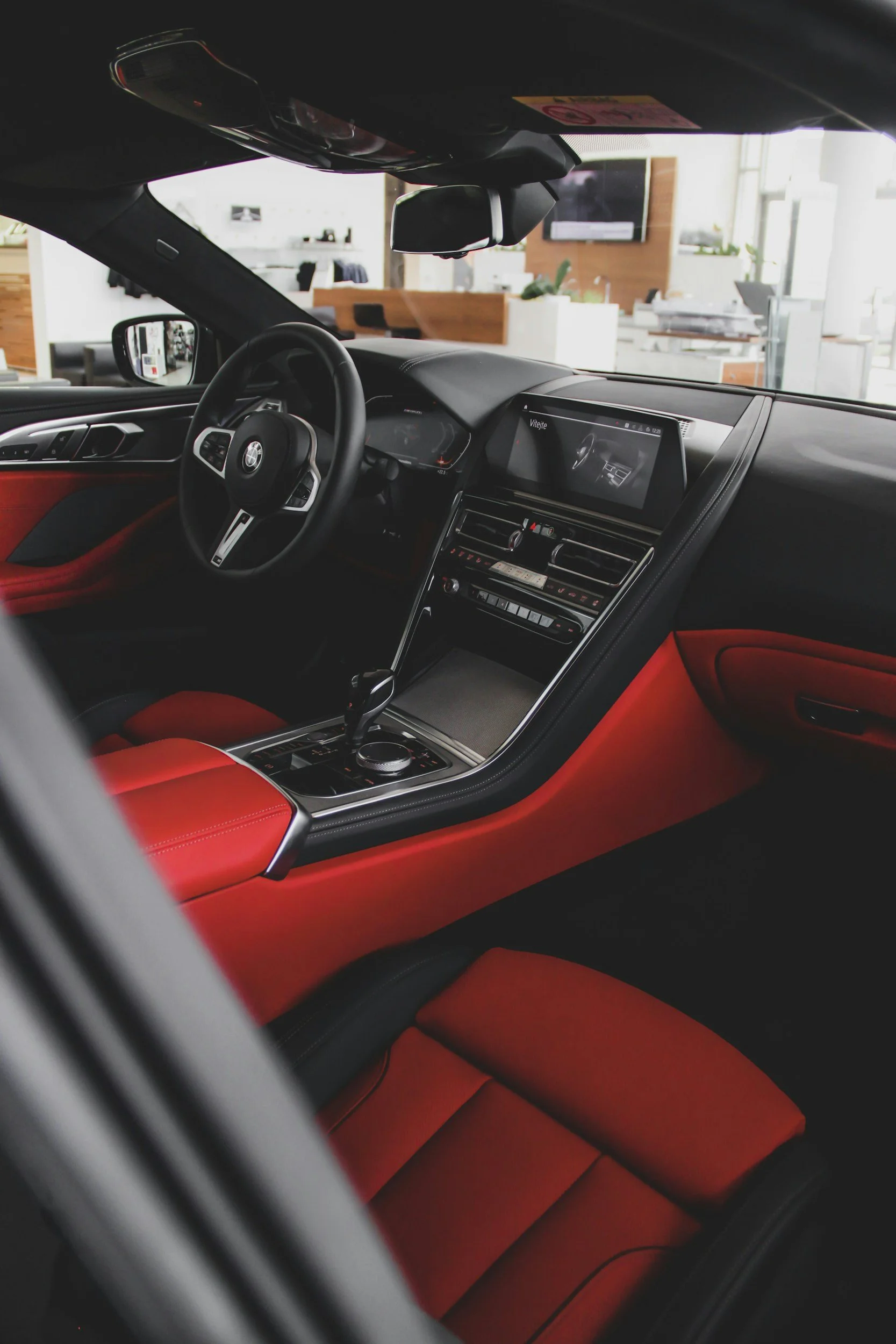
Modern vehicles are filled with technology — touchscreens, sensors, cameras, infotainment systems, and more. These components are not immune to heat.
Excessive temperatures can shorten the lifespan of electronics, degrade battery performance, and even lead to system malfunctions over time. Devices left inside the car, such as smartphones or dash cameras, are particularly vulnerable.
ProLayers window films act as a thermal barrier, reducing the intensity of heat exposure inside the vehicle. Films like V10 IR Ceramic BLK and V16 IR Max Ceramic are especially effective in this regard, as their IR-blocking capabilities directly address the root cause of heat buildup.
By maintaining a cooler interior, these films help protect not just surfaces, but the complex electronic systems that modern drivers rely on every day.
Reduced Heat Means Less Strain on Your AC System
Another major advantage of interior heat reduction is improved efficiency in your vehicle’s climate control system.
When a car starts out significantly cooler, the air conditioning system doesn’t have to work as hard to bring temperatures down. This leads to faster cooling times and more consistent comfort during your drive.
ProLayers window tint supports this efficiency by stabilizing cabin temperatures. Instead of constantly battling extreme heat, the AC system can operate more naturally and with less strain. Over time, this can contribute to reduced energy consumption and potentially less wear on climate control components.
Whether in a gasoline-powered vehicle or an electric one, better thermal management inside the cabin translates to more efficient overall operation.
Everyday Comfort You Can Feel
While long-term protection is critical, the immediate benefit of window tint is simple: a more comfortable driving experience.
A cooler interior means seats aren’t scorching to the touch. Steering wheels are easier to handle. The cabin feels inviting rather than oppressive. Glare is reduced, making it easier to see the road and stay focused.
Even entry-level films like V6 Comfort BLK deliver noticeable improvements in daily comfort, while higher-tier options like V10 IR Ceramic BLK and V16 IR Max Ceramic elevate that experience even further.
For families, commuters, and professional drivers alike, this added comfort can make a significant difference — especially during long drives or in heavy traffic.
Beyond Heat: Added Protection and Value
While heat reduction is the primary focus, it’s worth noting that ProLayers window films also provide additional layers of protection.
They block up to 99% of harmful UV rays, helping prevent fading and cracking of interior materials. They reinforce glass, adding a level of safety and security in the event of impact or attempted break-ins. They also enhance privacy, creating a more comfortable and secure environment inside the vehicle.
As a developer and distributor of proprietary auto window films, ProLayers has built its product line to deliver a balance of performance, durability, and visual appeal. From the practical benefits of V6 Comfort BLK to the advanced heat management of V16 IR Max Ceramic, each option is designed to meet different needs while maintaining a consistent standard of quality.
A Smarter Way to Protect Your Vehicle
Automotive window tint is more than just an aesthetic upgrade — it’s a functional investment in your vehicle’s longevity and usability.
By reducing interior heat, ProLayers window films help preserve surfaces, protect electronics, and improve overall comfort. They support the efficiency of your vehicle’s systems and create a more stable environment inside the cabin.
Over time, these benefits add up. Your interior looks better. Your electronics last longer. Your driving experience improves. And your vehicle retains more of its value.
In the end, managing heat isn’t just about comfort—it’s about protecting everything inside your car. With advanced solutions like V6 Comfort BLK, V10 IR Ceramic BLK, and V16 IR Max Ceramic, ProLayers provides the tools to do exactly that, every single day.