Intelligent Surface Recovery: The Next Evolution of Paint Protection Film
Paint protection film (PPF)—also widely known as auto wrap, paint wrap, or simply a protective layer—has become one of the most effective ways to preserve a vehicle’s exterior. What was once considered a niche upgrade is now a mainstream solution for drivers who want to maintain a flawless finish while protecting against the realities of daily driving.
From road debris and environmental contaminants to minor scratches and wear, modern vehicles face constant exposure to damaging elements. Paint protection film addresses this challenge by acting as a transparent shield, absorbing impacts and preventing damage before it reaches the original paint. As technology has evolved, so too has the performance of these films—leading to advanced solutions like Reactive Layers from ProLayers.
Introducing Reactive Layers by ProLayers
Among the latest advancements in PPF technology, Reactive Layers stands out as a premium solution designed for drivers who demand more from their protective wrap.
Reactive Layers introduce advanced self-healing surface technology designed to minimize visible scratches when exposed to heat. Engineered for enhanced durability and long-term clarity, this tier provides stronger chip resistance while preserving a flawless finish—responsive protection built for real-world exposure.
Feature Bullets:
Heat-activated self-healing surface
Enhanced impact resistance
Long-term gloss retention
Stain-resistant top coating
Designed for high-exposure areas
This makes Reactive Layers particularly appealing for high-performance cars and vehicles that regularly encounter demanding driving conditions.
Why Self-Healing Technology Matters
Traditional protective films can prevent damage, but self-healing films go a step further by actively maintaining appearance. With Reactive Layers, minor scratches don’t just sit on the surface—they fade away when exposed to heat.
This capability offers several practical benefits:
Reduced need for polishing: The film maintains its finish with minimal intervention
Consistent appearance: Eliminates the buildup of visible wear over time
Extended lifespan: The film continues to look new even after prolonged use
For drivers who care about both protection and presentation, this responsive layer provides a clear advantage.
Full Wrap vs. Targeted Protection
When considering paint protection film, one key decision is how much of the vehicle to cover. While full-body wraps offer maximum protection, many drivers opt for partial coverage focused on high-impact areas.
Common zones include:
Front bumper
Hood and fenders
Side mirrors
Door edges
Reactive Layers is especially well-suited for these high-exposure areas, where enhanced impact resistance and self-healing properties provide the greatest benefit. For performance vehicles or premium builds, full-front coverage with Reactive Layers delivers a strong balance of protection and visual appeal.
The Role of Professional Installation
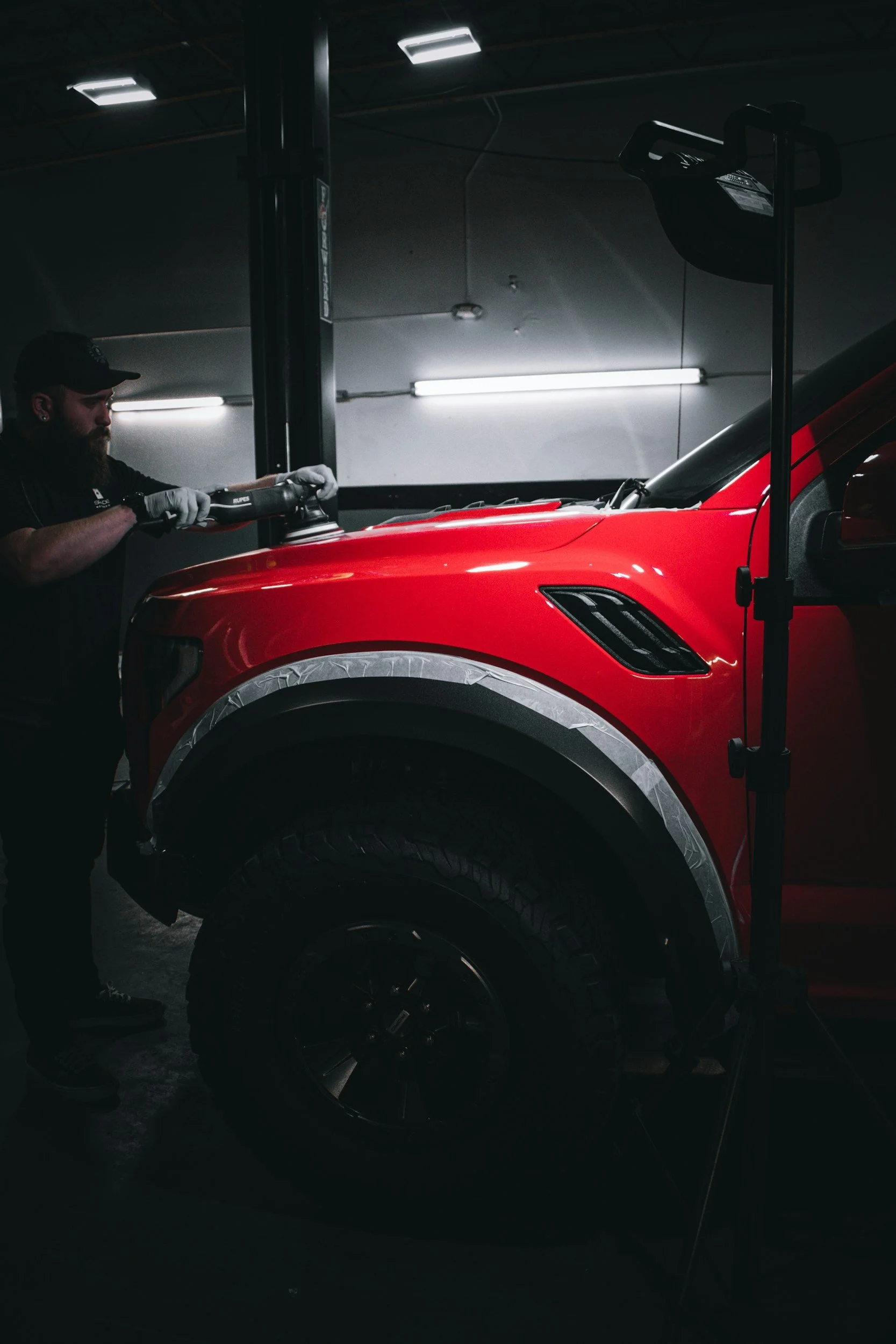
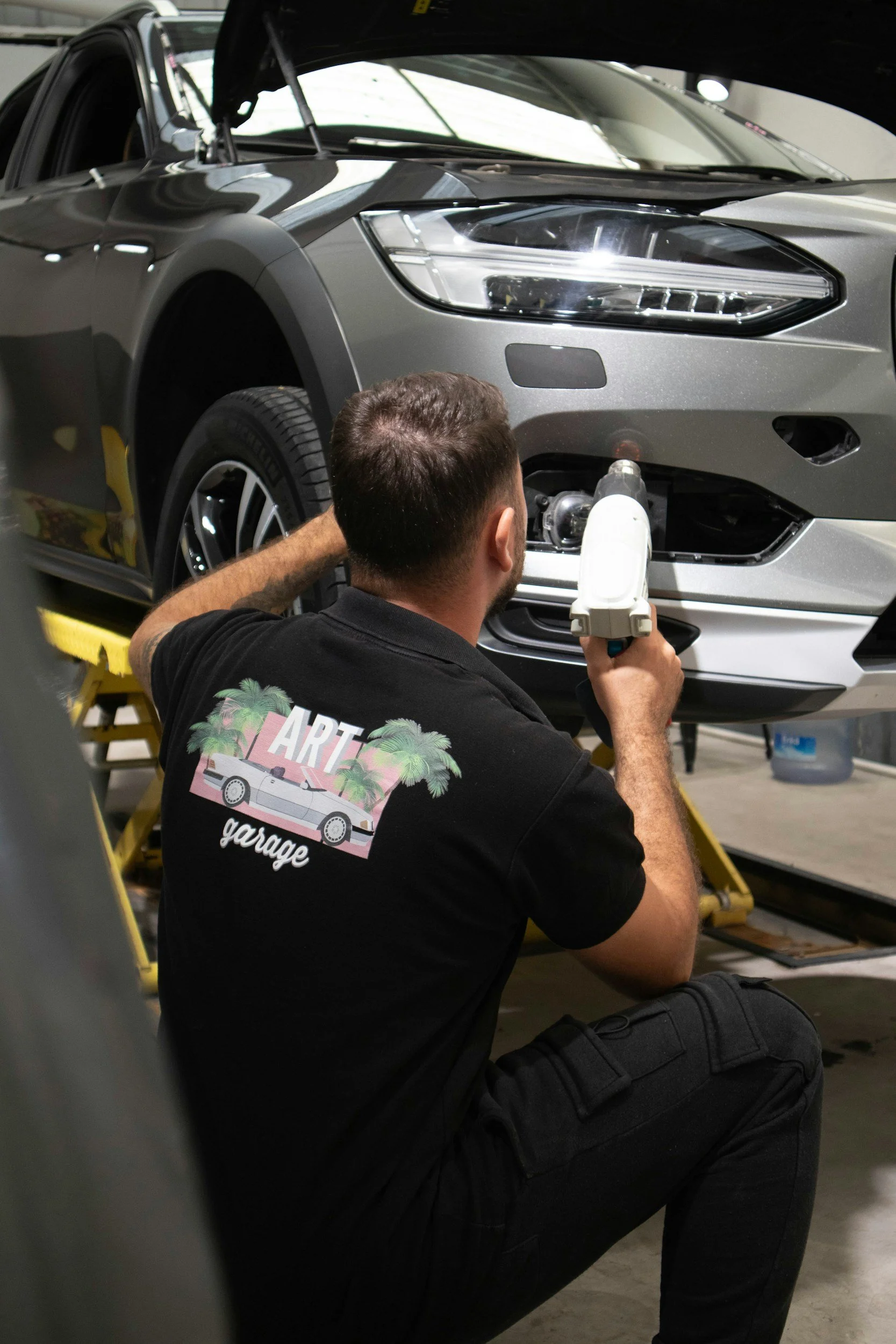
Even the most advanced paint protection film depends on proper installation to perform effectively. Applying a wrap requires precision, experience, and specialized tools to ensure a seamless, bubble-free finish.
Professional installers understand how to handle complex curves and edges, ensuring that the film adheres properly and maintains its clarity over time. This is particularly important for high-performance products like Reactive Layers, where correct application maximizes both durability and self-healing performance.
ProLayers designs its films with professional installation in mind, ensuring consistent quality and long-term reliability.
Beyond the Exterior: A Complete Protection Strategy
While paint protection film safeguards the exterior, it works best as part of a broader approach to vehicle care. ProLayers also offers automotive window films that enhance interior comfort, safety, and longevity.
These solutions provide:
Heat reduction: Blocking infrared light to keep interiors cooler
UV protection: Preventing fading and cracking of interior materials
Enhanced safety: Reinforcing glass to reduce shattering
Improved privacy: Limiting visibility into the vehicle
When combined with a high-performance wrap like Reactive Layers, these features create a comprehensive system that protects both the inside and outside of a vehicle.
Is Paint Protection Film Worth the Investment?
For many drivers, the value of PPF becomes clear over time. While the initial cost may seem significant, the long-term savings and benefits often outweigh the expense.
Avoiding paint repairs, maintaining resale value, and preserving a vehicle’s appearance all contribute to the overall return on investment. More importantly, a high-quality wrap provides peace of mind—allowing drivers to enjoy their vehicles without constantly worrying about damage.
Reactive Layers enhances this value even further by adding responsive, self-healing capabilities that keep the surface looking pristine with minimal maintenance.
The Future of Protective Layers
As automotive technology continues to advance, paint protection film is evolving alongside it. Improvements in material science are leading to stronger, clearer, and more responsive films that redefine what a protective layer can do.
ProLayers continues to lead this evolution, developing products like Reactive Layers that combine durability with intelligent performance. These innovations reflect a shift toward protection that doesn’t just resist damage—but actively adapts to it.
Final Thoughts
Paint protection film—whether referred to as PPF, auto wrap, or a protective layer—has become an essential tool for preserving a vehicle’s finish in today’s demanding driving environment.
With advanced solutions like Reactive Layers from ProLayers, drivers can go beyond basic protection and benefit from technology that responds to wear in real time. The result is a vehicle that not only stays protected but continues to look its best, mile after mile.
For those seeking a smarter, more resilient approach to vehicle care, modern paint wrap technology offers a clear and compelling answer.
What Is Paint Protection Film?
At its foundation, paint protection film is a thin, flexible, and highly durable material applied directly to a vehicle’s painted surfaces. Unlike decorative wraps that change a vehicle’s color or finish, PPF is typically clear and designed to be nearly invisible once installed.
This protective layer serves as a barrier against:
Rock chips and road debris
Bug splatter and bird droppings
Tree sap and environmental fallout
Road salt and harsh weather
Light scratches and abrasions
By absorbing and dispersing these impacts, a paint wrap helps maintain the integrity of the factory finish—keeping the vehicle looking newer for longer.
How Modern Auto Wrap Technology Works
Today’s paint protection films are engineered using advanced polymer technology that combines flexibility with strength. This allows the wrap to conform seamlessly to curves, edges, and complex body lines while maintaining a resilient surface.
One of the most impressive advancements in recent years is self-healing capability. High-performance films can repair minor surface imperfections when exposed to heat, such as sunlight or warm water. This feature significantly reduces the appearance of swirl marks and light scratches, helping the film maintain a smooth, glossy look over time.
ProLayers has been at the forefront of this innovation, developing and distributing automotive films that not only protect but actively respond to environmental stress.