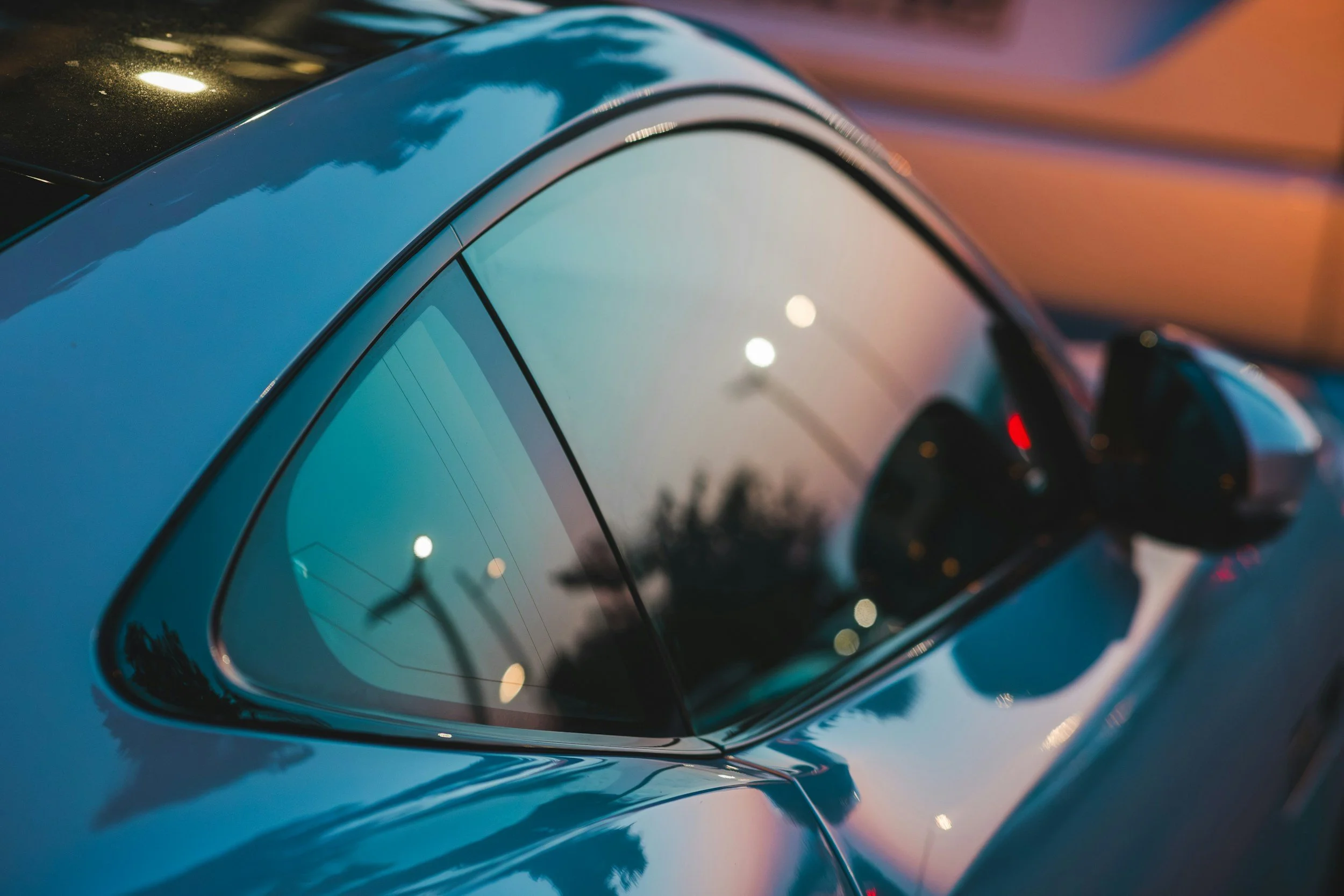
Strength Behind the Glass: How Window Film Improves Vehicle Safety and Security
Automotive window film is often associated with style or comfort, but one of its most important benefits is far more practical: safety. By adding a nearly invisible layer to your vehicle’s glass, window film strengthens one of the most vulnerable areas of any car while also improving everyday driving conditions.
From reducing the risk of injury in accidents to discouraging theft and improving visibility, window film plays a meaningful role in making vehicles safer and more secure — both on the road and when parked.
Reinforcing Vehicle Glass
Glass is a necessary but fragile component of any vehicle. While modern automotive glass is designed to withstand impact, it can still crack or shatter under enough force — whether from road debris, collisions, or attempted break-ins.
Window film enhances the strength of glass by bonding to its surface. Instead of allowing glass to break apart easily, the film helps hold it together when damaged.
This added reinforcement can:
Reduce the severity of cracks and chips
Help absorb and distribute impact energy
Keep broken pieces from scattering
The result is a more resilient barrier that provides an extra margin of protection in unpredictable situations.
Safer Outcomes in Accidents
In a collision, broken glass can become a serious hazard. Even with safety glass, fragments may separate and pose a risk to occupants.
Window film helps minimize this danger by keeping shattered glass intact. Rather than breaking into loose pieces, the glass tends to stay adhered to the film.
This can:
Lower the risk of cuts and injuries
Prevent glass from flying into the cabin
Maintain a degree of structural integrity in windows
While it doesn’t eliminate all risks, it significantly reduces one of the common sources of injury during accidents.
A Strong Deterrent Against Theft
Vehicle break-ins often rely on speed and ease. Standard glass can be shattered quickly, allowing a thief to access the interior within seconds.
Window film changes that equation.
Because the film holds the glass together, breaking through it requires more effort and time. Even after the glass cracks, it doesn’t immediately give way.
This added resistance:
Slows down forced entry attempts
Draws attention due to repeated impact
Discourages opportunistic theft
In many cases, this delay is enough to make a vehicle a less appealing target.
Improving Driver Visibility
Safety isn’t only about extreme events — it’s also about everyday driving conditions. Glare from sunlight or headlights can reduce visibility and strain the eyes, especially during long drives or bright conditions.
Window film helps filter incoming light, reducing glare without blocking necessary visibility.
This leads to:
Clearer vision during bright daylight
Less eye fatigue over time
Improved ability to focus on the road
By creating a more balanced visual environment, window film supports safer, more comfortable driving.
Reducing Heat-Related Discomfort
Excessive heat inside a vehicle can affect more than comfort — it can influence driver performance. A hot cabin can lead to fatigue, distraction, and reduced concentration.
Window film helps manage interior temperatures by limiting how much solar energy enters through the glass. This keeps the cabin cooler and more stable.
A more comfortable environment allows drivers to:
Stay alert for longer periods
React more quickly to changing conditions
Maintain focus without unnecessary stress
Passengers benefit as well, especially during long trips or in warm climates.
Protecting Interior Components
While not always thought of as a safety feature, protecting your vehicle’s interior also contributes to overall reliability and usability.
Sun exposure and heat can degrade materials over time, leading to:
Cracked dashboards
Faded upholstery
Weakened plastics and trim
Window film reduces this wear by blocking harmful UV rays and limiting heat buildup. This helps maintain the integrity of interior components, ensuring that everything inside the vehicle remains in good working condition.
Supporting Modern Vehicle Technology
Today’s vehicles are equipped with a wide range of electronic systems: touchscreens, sensors, cameras, and connectivity features that rely on stable operating conditions.
Extreme heat and prolonged sun exposure can affect these systems, potentially leading to reduced performance or premature wear.
By moderating temperature and light exposure, window film helps create a more stable environment for these components, supporting long-term reliability.
A Consistent Layer of Protection
One of the key advantages of window film is that it works continuously. Unlike features that activate only in emergencies, it provides benefits every time the vehicle is used — and even when it’s parked.
Whether you’re…
Driving through bright sunlight
Sitting in traffic
Leaving your car in a parking lot
…the film is always contributing to safety, comfort, and security.
A Practical Upgrade with Real-World Impact
Window film doesn’t dramatically change how you use your vehicle — but it improves how your vehicle performs in subtle, meaningful ways.
By reinforcing glass, reducing glare, managing heat, and deterring theft, it enhances both active and passive safety features. These benefits add up over time, creating a more secure and reliable driving experience.
Final Thoughts
Automotive window film is more than an accessory — it’s a functional upgrade that strengthens your vehicle and supports safer driving conditions.
From protecting occupants during accidents to discouraging break-ins and improving visibility, its impact is both immediate and long-lasting.
It’s a simple addition, but one that delivers value every day — quietly working in the background to make your vehicle safer, more secure, and more comfortable wherever the road takes you.