Layers of Style: ProLayers Building Window Film Spaces as Transformational Enhancement
Architectural window films have long been associated with energy efficiency and solar control, but their aesthetic value is just as transformative—if not more so—for modern commercial spaces. From high-rise office towers to boutique retail environments and bustling restaurants, these advanced materials create a layer that enhances the look and the performance of a building in equal measure. When thoughtfully selected and professionally installed, window tint and window film solutions can redefine how a property is perceived both from the outside and within.
ProLayers, a developer and distributor of advanced window film technologies, has helped bring this aesthetic potential to the forefront of contemporary design. Their commercial window films are not simply functional upgrades; they are architectural elements in their own right, capable of reshaping visual identity, reinforcing branding, and elevating the overall experience of a space.
Enhancing Interior Design Through Glass
While exterior improvements are immediately visible, the aesthetic benefits of window film extend deeply into interior spaces as well. Glass is increasingly used inside commercial environments—for conference rooms, office partitions, and decorative features—and window film plays a key role in shaping how those elements function visually.
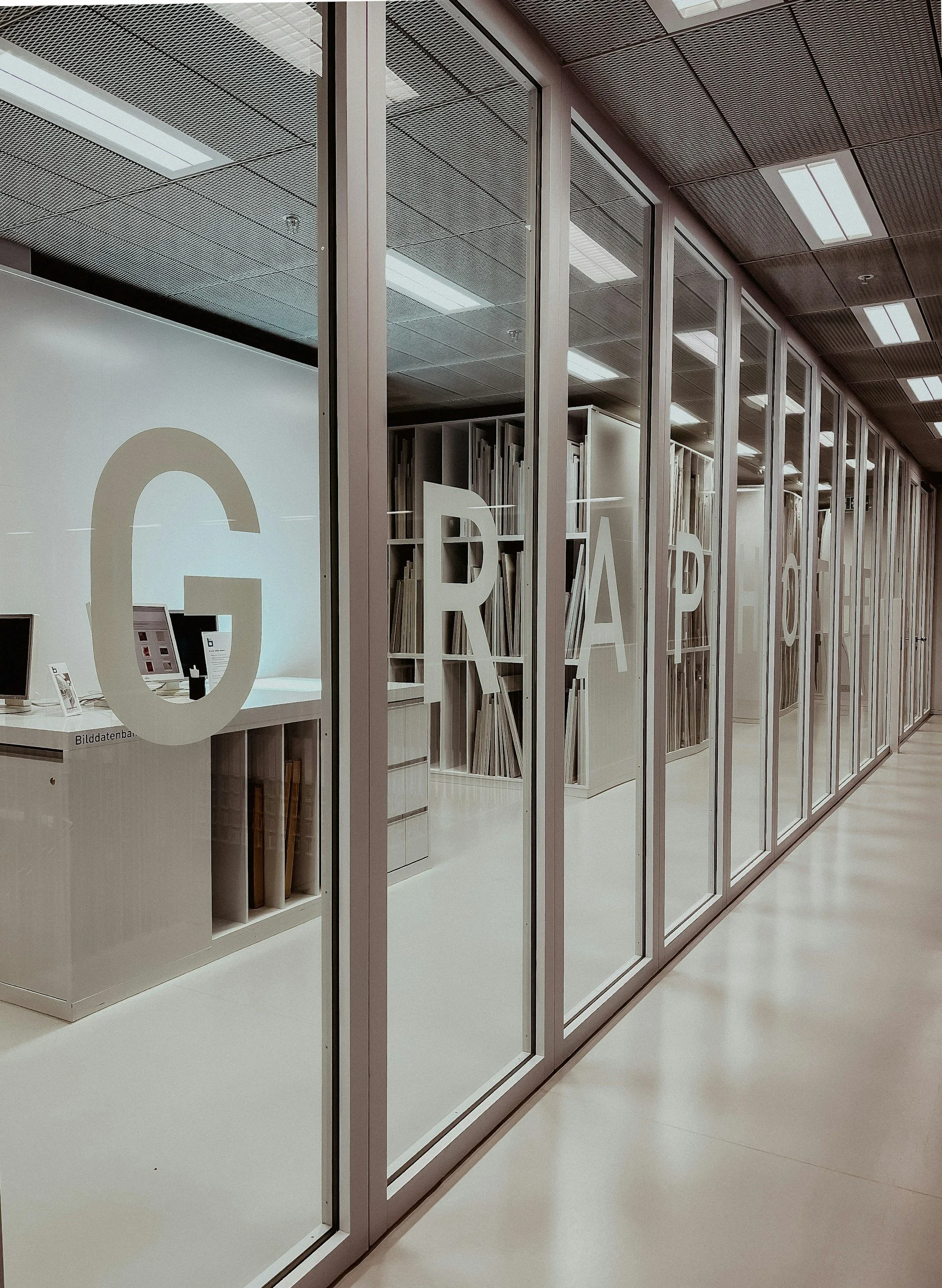
These materials create a layer that can transform plain glass into a design feature. Frosted or etched films, for instance, add texture and visual interest while maintaining a clean, professional look. Gradient films can introduce a sense of movement or transition, while custom patterns can reinforce branding or thematic design elements.
In office environments, this can result in conference rooms that feel both open and private. In restaurants, it can create intimate dining areas without sacrificing light. In retail spaces, it can highlight product displays or guide customer flow. In each case, the film acts as a subtle but impactful design layer that enhances the overall atmosphere.
ProLayers has emphasized this interior versatility in its product development, offering films that balance aesthetics with performance. The result is a cohesive design approach where form and function are integrated rather than treated as separate considerations.
Supporting Brand Identity in Retail and Hospitality
For retail stores and restaurants, visual identity is everything. Every design choice—from lighting to materials—contributes to how customers perceive a brand. Window film offers a unique opportunity to reinforce that identity in a way that is both cost-effective and highly customizable.
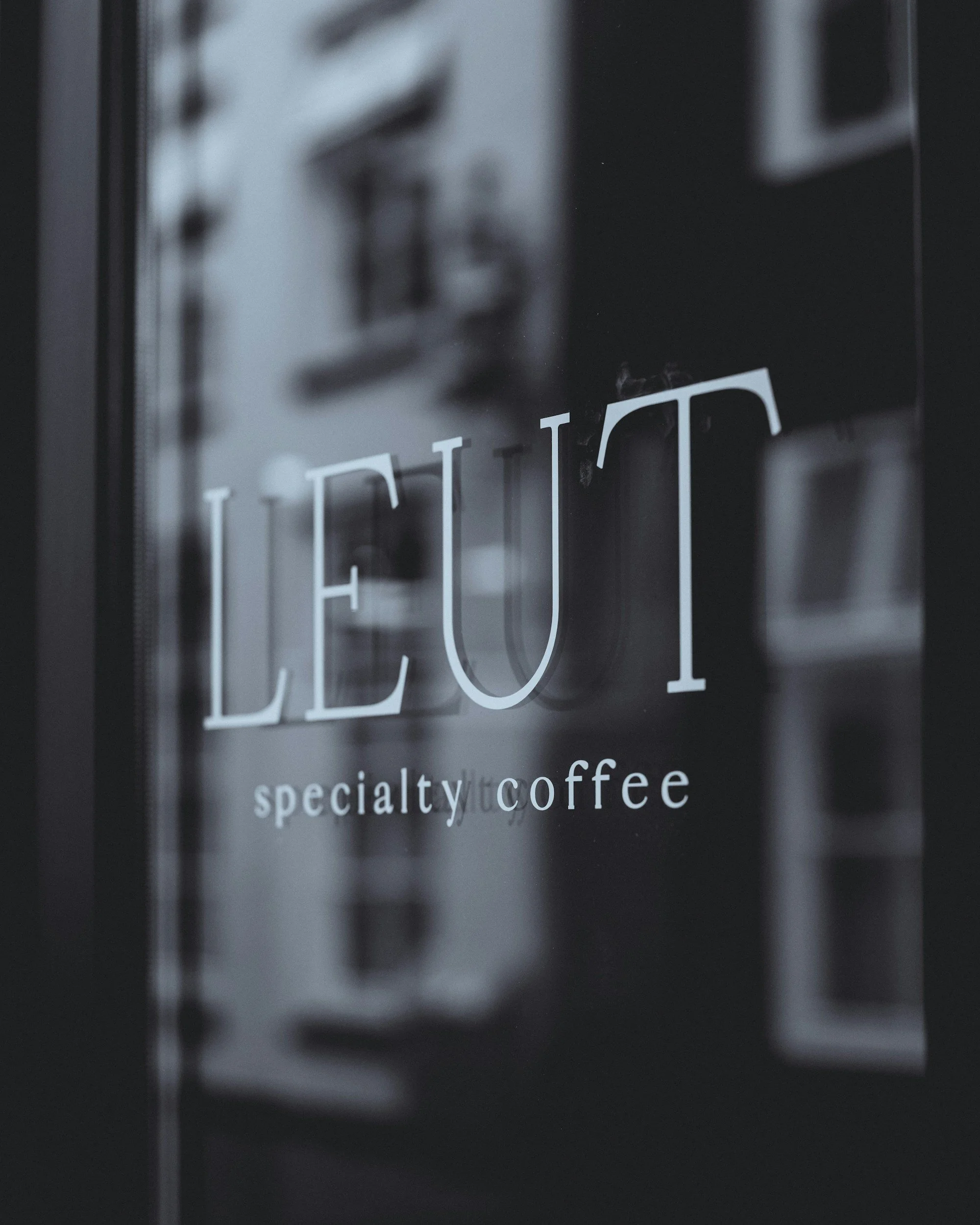
These materials create a layer that can incorporate brand colors, logos, or thematic elements directly into the glass. A boutique retailer might use a soft, tinted film to create a luxurious feel, while a modern café might opt for a bold, reflective finish that catches the eye of passersby. Even subtle changes in tone or opacity can influence how inviting or exclusive a space appears.
In hospitality settings, where ambiance is critical, window film can be used to control light while enhancing mood. A warm-toned film can make a dining area feel more intimate, while a neutral tint can preserve a bright, airy atmosphere during daytime service. The ability to fine-tune these visual qualities without major renovations makes window film an especially valuable design tool.
ProLayers, as a developer and distributor of commercial window films, has consistently highlighted this branding potential. Their solutions allow businesses to align their physical spaces with their brand identities in a way that is both practical and visually compelling.
Creating Visual Consistency Across Large Properties
In large commercial buildings—such as office towers, hospitals, or multi-unit retail complexes—maintaining visual consistency can be a challenge. Variations in glass panels, lighting exposure, and interior use can lead to an uneven appearance that detracts from the overall design.
Window film addresses this issue by creating a unifying layer across all glass surfaces. By standardizing color, reflectivity, and transparency, it ensures that a building presents a cohesive image from every angle. This is particularly important for properties with extensive glass façades, where even minor inconsistencies can become highly noticeable.
These materials create a layer that smooths out visual differences and enhances architectural harmony. The result is a cleaner, more polished appearance that reflects attention to detail and professional design standards.
ProLayers has engineered its films to maintain optical clarity while delivering consistent visual results, making them well-suited for large-scale applications where uniformity is essential.
Balancing Aesthetics With Natural Light
One of the most important considerations in commercial design is the balance between aesthetics and natural light. Excessive tinting can make interiors feel dark and uninviting, while insufficient control can lead to glare and discomfort. High-quality window films are designed to strike this balance effectively.
These materials create a layer that filters light rather than blocking it outright. This allows interiors to remain bright and welcoming while reducing harsh glare and visual strain. The result is a more comfortable environment that still benefits from abundant daylight.
In office settings, this can improve productivity and reduce eye fatigue. In retail environments, it ensures that products are displayed in flattering, consistent lighting. In restaurants, it contributes to a pleasant dining experience throughout the day.
ProLayers has focused on developing films that preserve visibility and brightness while enhancing visual comfort. This ensures that aesthetic improvements do not come at the expense of usability.
A Subtle Yet Powerful Upgrade
One of the most compelling aspects of architectural window film is its subtlety. Unlike major renovations, which can be disruptive and expensive, window film can be installed quickly and with minimal impact on daily operations. Yet the visual transformation it provides can be dramatic.
These materials create a layer that enhances a building without overwhelming its original design. They work with existing architecture rather than replacing it, making them an ideal solution for both new construction and retrofit projects.
For older buildings, this can mean a modernized appearance without the need for extensive remodeling. For newer properties, it offers a way to refine and perfect the original design vision. In both cases, the result is a more attractive, cohesive, and functional space.
Transforming Exterior Identity
A building’s exterior is its first impression, and glass plays a central role in how that impression is formed. Untreated windows can appear flat, inconsistent, or overly transparent depending on lighting conditions. By contrast, architectural window films introduce a refined, cohesive appearance that enhances visual appeal without requiring structural changes.
These materials create a layer that can add reflectivity, subtle coloration, or tonal depth to glass surfaces. For example, a mirrored or metallic finish can give an office tower a sleek, modern presence, while a softer gray or bronze tint can lend warmth and sophistication to a retail storefront. In dense urban environments, where buildings compete visually, even a modest enhancement in glass appearance can significantly improve curb appeal.
ProLayers has developed a wide range of finishes that allow architects and property managers to tailor the exterior look of a building with precision. Whether the goal is bold and contemporary or understated and elegant, window film provides a flexible design tool that works within existing architectural constraints.
The Aesthetic Value of Performance
While this discussion focuses on aesthetics, it is important to recognize that the visual benefits of window film are closely tied to its performance characteristics. Features like UV reduction, glare control, and temperature regulation all contribute to how a space looks and feels.
ProLayers integrates these functional benefits into every product, ensuring that each film serves as both a design element and a performance-enhancing layer. This holistic approach reflects a broader trend in architecture, where aesthetics and functionality are increasingly intertwined.
Elevating Commercial Spaces Through Design
In today’s competitive commercial landscape, appearance matters more than ever. Buildings are not just functional spaces—they are representations of brands, experiences, and values. Architectural window film offers a unique opportunity to enhance these qualities in a way that is efficient, versatile, and impactful.
ProLayers, as a developer and distributor of advanced window films, continues to play a leading role in this evolution. By offering solutions that combine aesthetic refinement with practical performance, they enable commercial properties to achieve a higher standard of design.
Ultimately, these materials create a layer that does more than cover glass—they elevate the entire environment. Whether applied to a towering office building, a stylish restaurant, or a dynamic retail space, window film proves that even subtle enhancements can have a profound effect on how a space is seen and experienced.