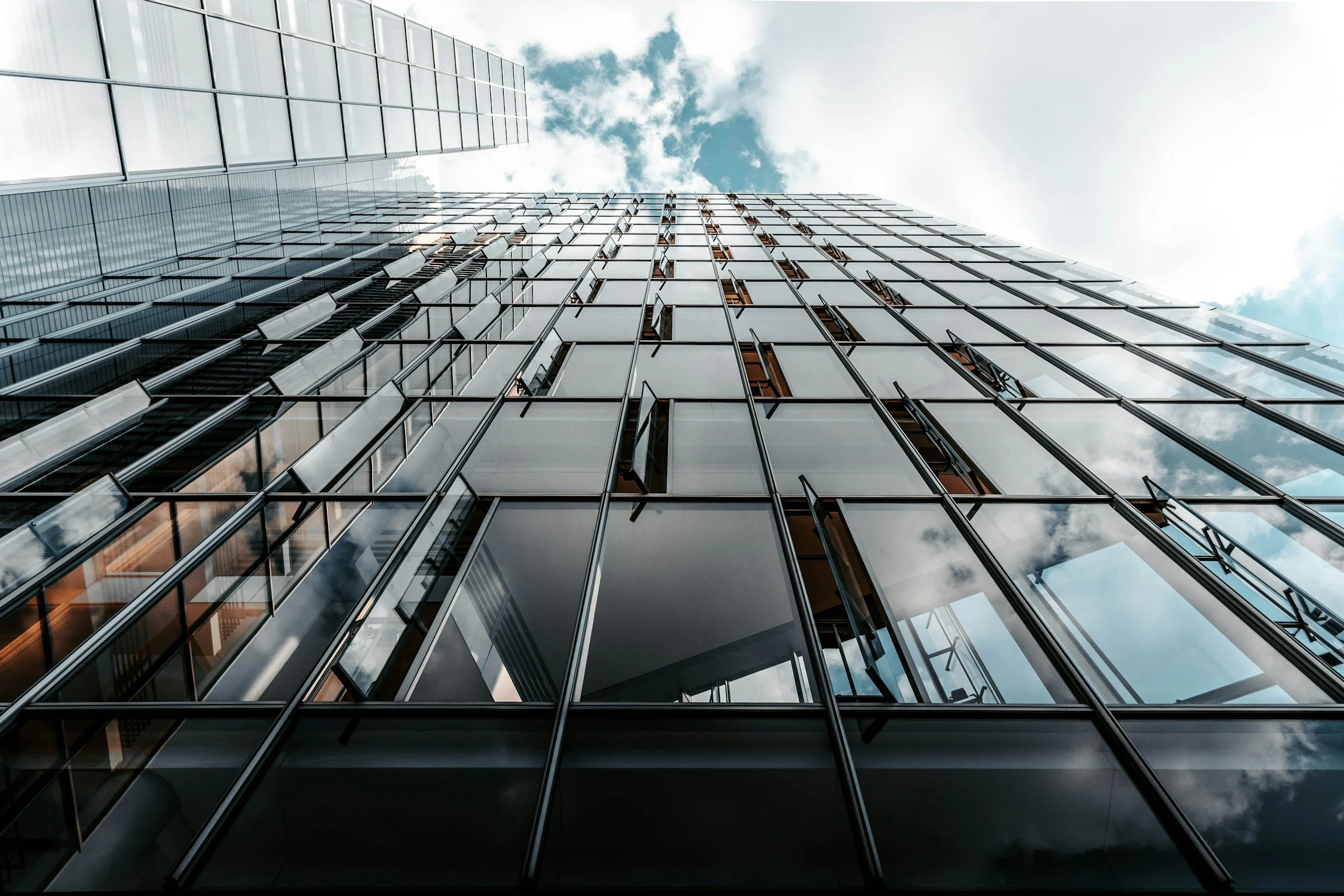
Glass as a Design Element: How ProLayers Window Film Shapes Interior Commercial Environments
Contemporary commercial design has embraced glass as one of its primary materials—not just for exterior facades but throughout interior environments. Conference rooms with glass walls, open-plan offices divided by glass partitions, retail spaces with glass fixtures and displays, hospitality environments using glass as a defining atmospheric element: glass is everywhere in modern commercial interiors, and its visual treatment has a direct impact on how these spaces are experienced.
Yet for all its prevalence, glass in commercial interiors is often left in its most basic form—clear, undifferentiated, and aesthetically neutral. The design potential of these surfaces goes largely unrealized. ProLayers has developed a range of architectural window film products specifically suited to interior commercial applications, allowing designers, property managers, and business owners to transform plain glass surfaces into intentional design elements that shape atmosphere, reinforce branding, and enhance the functionality of commercial spaces.
Frosted and Textured Films for Privacy and Aesthetics
Among the most versatile interior window film applications in commercial environments is frosted or etched film, which transforms clear glass into a translucent surface that diffuses light, obscures visibility, and introduces texture to what would otherwise be a flat, transparent plane.
In conference rooms, frosted film creates a sense of enclosure and privacy appropriate to sensitive meetings without closing off the visual connection between spaces that makes modern office design feel open and collaborative. In executive suites and private offices, it provides discretion without the heavy, institutional feel of solid walls. In healthcare consultation rooms and legal office settings, it supports the confidentiality requirements of professional practice while maintaining an environment that feels open rather than sealed.
ProLayers frosted film applications can be customized further with gradients, patterns, and branded graphic elements, allowing businesses to introduce their visual identity directly into the glass surfaces of their interiors. A logo subtly rendered in frosted film on a conference room partition, or a brand pattern flowing across a reception area glass wall, creates an impression of design intentionality and brand coherence that resonates with visitors and clients.
Atmosphere Through Light: The Interior Design Role of Tonal Films
Beyond frosted and graphic applications, ProLayers offers interior-suited window films in various tonal finishes that shape how light behaves within a commercial space. The difference between a harshly lit and a warmly lit interior is often a matter of light quality rather than light quantity, and window film can make a meaningful contribution to achieving the right quality for a given environment.
In restaurant environments, warm-toned window film can enhance the intimacy of a dining space during daytime service hours, moderating the harsh quality of direct sunlight to something closer to the warm, directional light that flatters both food and guests. In retail environments, films that control the spectral composition of light near display areas can preserve merchandise colors more accurately and create a more flattering presentation.
In office environments, the glare reduction benefits of ProLayers window film directly improve the visual comfort of digital workspaces. Screens become easier to read, eye fatigue decreases, and the quality of the visual environment as a whole improves in ways that occupants feel even if they cannot articulate precisely why. These are design outcomes, achieved through film.
Branding and Customization Possibilities
One of the most compelling aspects of ProLayers' interior window film portfolio from a commercial design perspective is the degree to which it can be customized to support brand identity. Glass surfaces in commercial interiors are highly visible real estate, and film provides a way to activate that real estate in support of a business's visual identity.
Custom graphic window films can incorporate corporate colors, wordmarks, iconography, and patterns across glass partitions, windows, and facades. These applications can range from full coverage to subtle accents, from reception area statements to wayfinding elements that guide visitors through a large commercial space. The result is an interior that feels thoroughly branded rather than generic—a distinction that matters significantly in environments where client impressions drive commercial outcomes.
For retail brands with multiple locations, standardized window film specifications can create visual consistency across a portfolio of stores, reinforcing brand recognition at the store-interior level. For hospitality brands, custom film elements can create design moments that guests associate with the brand's aesthetic identity.
The Practical Case for Interior Window Film
The aesthetic benefits of ProLayers interior window film are compelling on their own terms, but they are reinforced by a practical installation profile that makes these upgrades accessible for commercial spaces of all sizes and types. Window film is applied directly to existing glass—no demolition, no construction, no extended disruption to operations. The transformation of a glass surface from plain and undifferentiated to intentional and designed can happen in a single day.
This accessibility makes ProLayers window film an attractive option both for new commercial fit-outs where the design intent calls for treated glass from the start and for existing spaces where a refresh is needed without a full renovation. Property owners and tenants alike can realize significant aesthetic improvements to their interiors at a cost that is far more modest than replacing glass or rebuilding partitions.
Combined with the performance benefits—UV protection, glare reduction, temperature regulation—that accompany ProLayers' aesthetic applications, the overall value proposition for interior commercial window film is as strong as any design investment a commercial space can make.