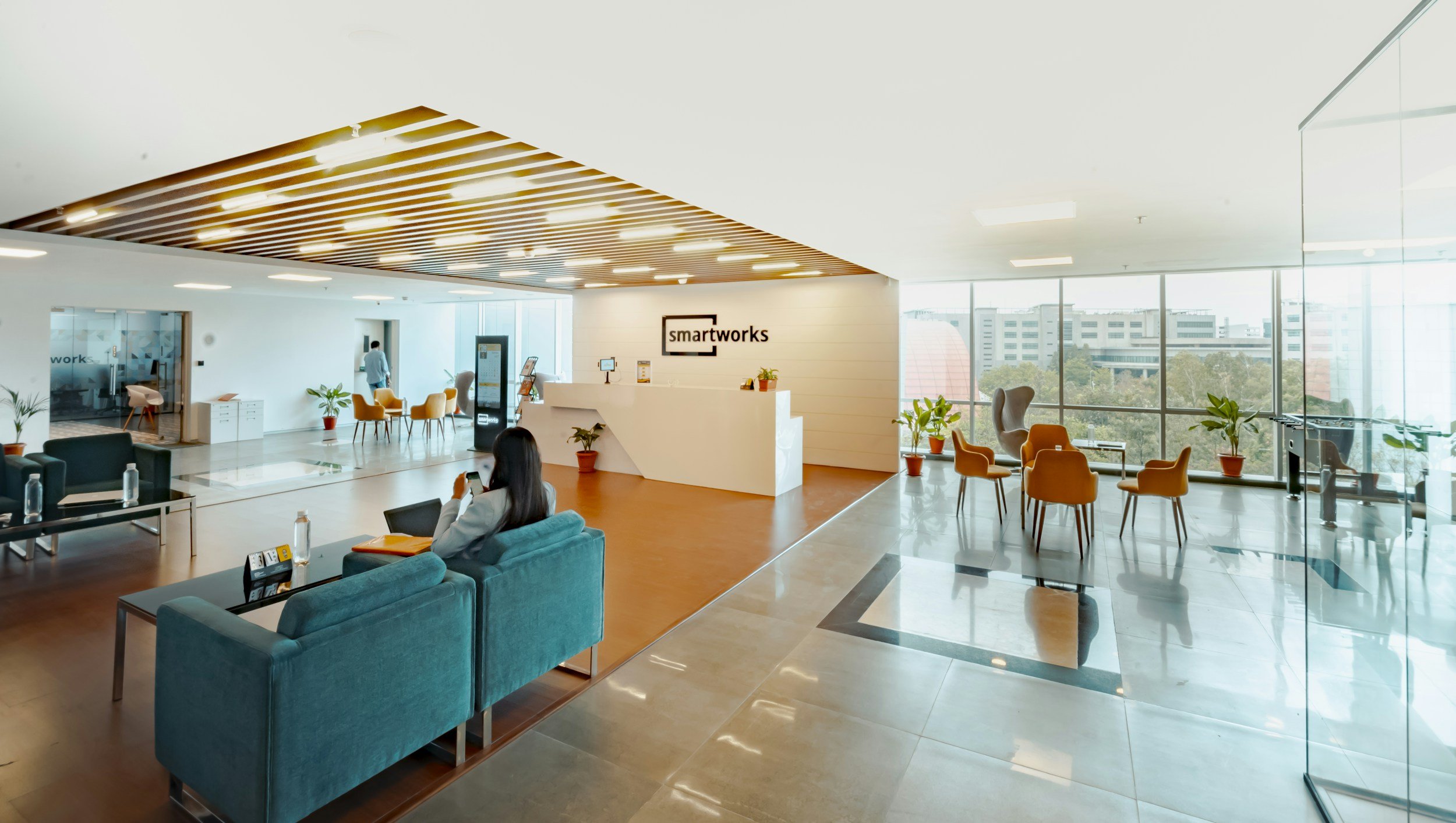
Commercial Privacy Window Tinting: A Modern Approach for Modern Spaces
Glass has become a defining feature of modern commercial design. From retail storefronts and office towers to medical practices and mixed-use developments, large windows and transparent partitions create bright, open environments that feel welcoming and contemporary. But with that openness comes a challenge: maintaining privacy where it matters most.
Commercial privacy window tinting offers a solution that enhances discretion without sacrificing natural light or design intent. By transforming standard glass into a functional barrier, window film allows businesses to create spaces that feel both open and protected — an increasingly important balance in today’s professional environments.
The Growing Need for Privacy in Commercial Spaces
Privacy in commercial settings goes beyond comfort; it’s often tied directly to trust, productivity, and even legal compliance.
In workplaces, employees need to focus without feeling constantly visible to the outside world. In retail, customers often prefer a more relaxed, less exposed browsing experience. In professional environments such as medical offices, dental clinics, and law firms, confidentiality is essential.
Glass-heavy architecture, while visually appealing, can expose:
Client conversations in waiting rooms or offices
Sensitive meetings in conference rooms
Computer screens and documents
Inventory, equipment, or valuables
Without a privacy solution, these exposures can affect both perception and performance. Window tinting addresses these concerns by creating a subtle but effective visual barrier.
How Privacy Window Tint Works
Privacy window tint is designed to control how light passes through glass. Instead of blocking light entirely, it modifies visibility by reflecting, absorbing, or diffusing certain wavelengths.
Depending on the type of film used, this can create:
A reflective exterior that limits visibility from outside
A soft, diffused effect that obscures details
A one-way privacy effect during daylight hours
In many cases, people inside the building retain a clear view outward, while those outside see only a darkened or reflective surface. This allows businesses to maintain openness without compromising discretion.
Maintaining Natural Light and Open Design
One of the biggest advantages of window tinting over traditional privacy solutions is its ability to preserve natural light.
Blinds, curtains, and partitions often block sunlight, making interiors feel darker and more enclosed. In contrast, window film allows daylight to continue flowing into the space, supporting a bright and inviting atmosphere.
This is especially important because natural light contributes to:
Improved employee productivity
Better mood and well-being
Enhanced customer experience
Reduced reliance on artificial lighting
Privacy window tinting makes it possible to enjoy these benefits while still controlling visibility.
Applications Across Commercial Industries
Privacy window tinting is highly adaptable and can be tailored to the specific needs of different industries.
Offices and Corporate Environments
Modern offices often feature open layouts and glass partitions. While this promotes collaboration, it can also create challenges for confidentiality and focus.
Privacy film helps define spaces without eliminating transparency. Conference rooms, executive offices, and shared work areas can maintain a clean, modern look while protecting sensitive discussions and reducing distractions.
Healthcare and Professional Practices
In medical and dental offices, patient privacy is critical. Waiting areas, consultation rooms, and treatment spaces all benefit from reduced visibility from the outside.
Similarly, law firms and financial institutions require discretion for client interactions. Window tinting helps create an environment where clients feel secure and respected.
Retail and Storefronts
Retail spaces rely on visibility to attract customers, but too much exposure can be counterproductive.
Privacy window tinting allows retailers to:
Limit direct views into certain areas
Reduce glare on displays
Create a more controlled shopping environment
It also helps protect merchandise by making it less visible to potential thieves.
Educational and Community Facilities
Schools, training centers, and community buildings often prioritize both openness and safety. Window tinting helps create a balance by allowing visibility where needed while protecting occupants from unnecessary exposure.
Enhancing Security Through Reduced Visibility
Privacy and security are closely connected. When people cannot easily see inside a building, it becomes more difficult to identify valuables, equipment, or vulnerabilities.
Window tinting contributes to security in several ways:
Obscuring interior layouts and contents
Reducing the likelihood of targeted theft
Creating a psychological deterrent for opportunistic crime
Some films also add strength to the glass itself, helping hold it together if broken. This can slow down forced entry and provide additional protection in the event of an impact.
Improving Comfort and Reducing Glare
While privacy is a primary goal, window tinting also improves comfort inside commercial spaces.
Glare from sunlight can make it difficult to work on screens, interact with customers, or simply remain comfortable throughout the day. Privacy films often reduce glare significantly, creating a more balanced lighting environment.
This leads to:
Less eye strain for employees
Improved visibility for tasks and presentations
A more pleasant experience for customers and visitors
By softening harsh light, window tinting supports both productivity and satisfaction.
Managing Heat and Energy Efficiency
Large glass surfaces can contribute to heat buildup, especially in buildings with significant sun exposure. Privacy window tinting often includes solar control properties that reduce the amount of heat entering the space.
This helps:
Maintain more consistent indoor temperatures
Reduce reliance on air conditioning
Lower energy costs over time
For businesses, these efficiency gains can be substantial, particularly in larger buildings or warmer climates.
Protecting Interiors from UV Damage
Ultraviolet (UV) radiation is one of the leading causes of interior wear and fading. Over time, exposure to sunlight can damage:
Furniture and upholstery
Flooring and carpets
Merchandise and displays
Artwork and décor
Privacy window tinting typically blocks a high percentage of UV rays, helping preserve the condition of interior spaces. This not only maintains appearance but also reduces the need for repairs or replacements.
Aesthetic Flexibility and Design Integration
Window tinting is not a one-size-fits-all solution. It can be customized to match the design goals of a property.
Options include:
Subtle neutral tones that blend with architecture
Reflective finishes for stronger privacy
Frosted or etched effects for decorative applications
Gradient or patterned designs for branding
Because the film is applied directly to existing glass, it enhances the building’s appearance without requiring major renovations.
Cost-Effective and Scalable
Compared to structural changes or permanent installations, window tinting is a relatively affordable upgrade. It can be installed quickly with minimal disruption to daily operations.
Businesses can also scale their approach:
Start with high-exposure areas
Expand to additional windows or floors
Customize solutions for different zones within the same building
This flexibility makes it an accessible option for both small businesses and large commercial properties.
Long-Term Value and Performance
High-quality window films are designed to deliver consistent performance over time. Once installed, they require minimal maintenance while continuing to provide privacy, comfort, and protection.
Unlike temporary solutions, window tinting works continuously — whether the building is occupied or not. This makes it a reliable, long-term investment in the functionality and professionalism of a space.
A Few Closing Thoughts
Commercial privacy window tinting is more than just a visual upgrade — it’s a strategic enhancement that improves how a space functions.
By controlling visibility without blocking light, it allows businesses to maintain open, modern designs while protecting what matters most: people, information, and assets.
From offices and retail stores to medical practices and educational facilities, the benefits are clear. Enhanced privacy, improved comfort, increased security, and preserved interiors all contribute to a better overall environment.
In a world where glass is everywhere, privacy window tinting provides the balance needed to make commercial spaces both inviting and secure, delivering value that is seen, felt, and experienced every day.