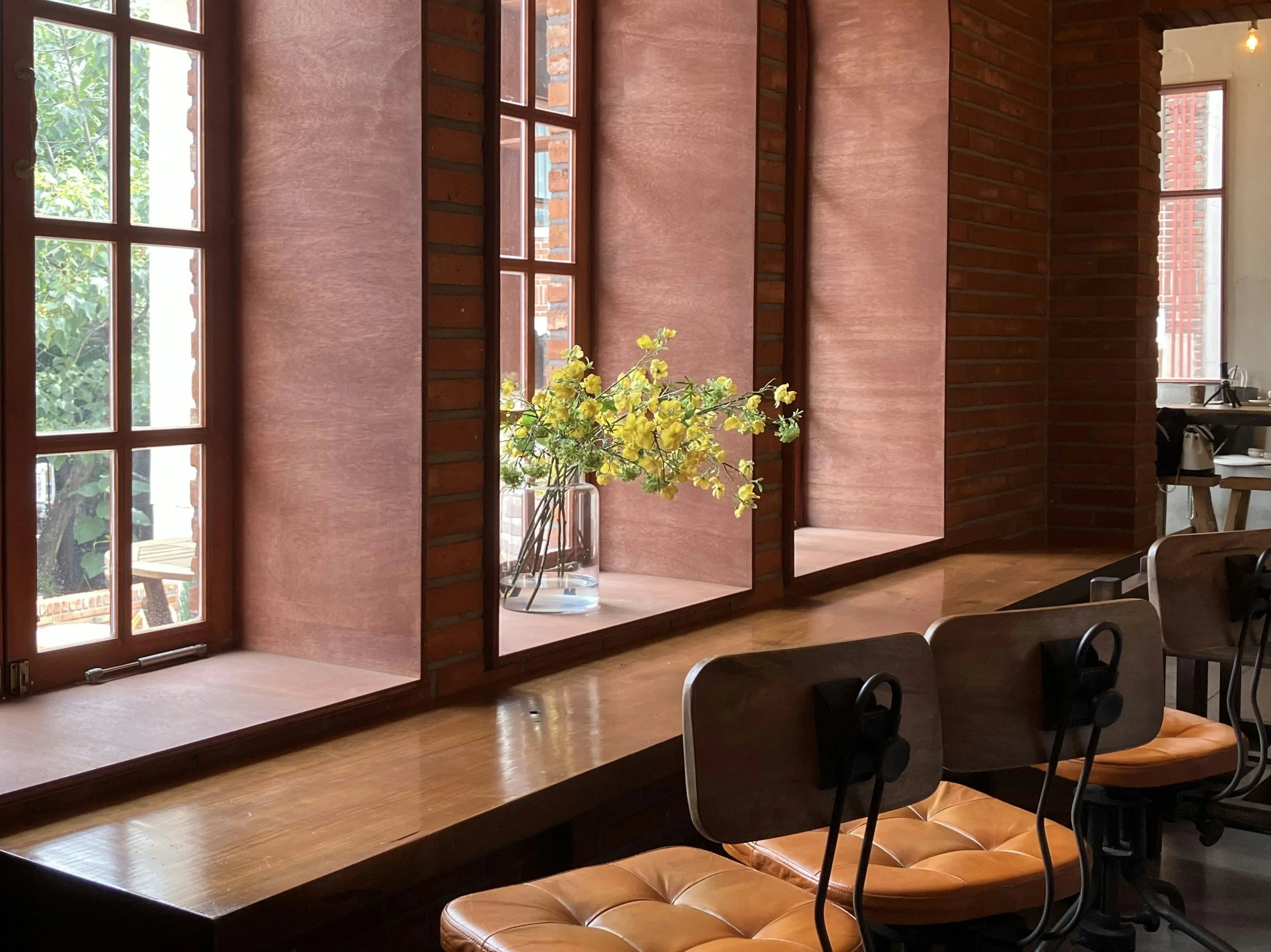
Architectural Window Tint Is About More than a Building's Exterior Looks: It's About Interior Preservation
The sun’s ultraviolet (UV) light, which can also be thought of as radiation, spans
wavelengths from 10 to 400 nanometers (nm), representing about 7% to 10% of sunshine’s total solar energy. At the Earth's surface, UV is roughly 3% to 5% of sunlight, mostly as UVA rays with wavelengths between 315 and 400 nm, the UVB and UVC ultraviolet rays with shorter wavelengths largely having been scattered higher up in the earth’s atmosphere.
Thus, it’s primarily to combat UVA light that you wear sunscreen and protect yourself from premature aging and skin damage that can lead to health concerns. The importance of sunblock is all the clearer when you think about skin damage, especially sunburn, as caused by solar radiation rather than calling it sunlight.
ProLayers is a developer and distributor of some of the best building window tint commercial properties can install, so why are we talking about sunblock? Because it turns out that the interior spaces of buildings need sun protection every bit as much as your skin does, and the flooring, furniture, artwork, documents, and other materials within a commercial space can’t put sunblock on. But our premier solar control architectural window films can effectively block damaging UV radiation before it even passes through windows, so building interiors won’t need any more protection from ultraviolet light than that — and neither will the employees and visitors within, either.
How Building Window Tint Blocks UV Light
Architectural window tint works by acting as a highly engineered filter applied directly to glass surfaces. While standard window glass blocks a portion of UV radiation, it still allows a significant amount of UVA light to pass through—precisely the type responsible for long-term fading and material degradation.
ProLayers has developed proprietary window tint technologies that dramatically improve upon the limitations of untreated glass. These advanced films are constructed with multiple micro-thin layers, each designed to target different parts of the solar spectrum. Among their most important functions is UV rejection.
High-performance architectural window tint from ProLayers can block up to 99% of ultraviolet radiation. This is achieved without overly darkening interiors — or compromising visibility out from within — which is critical in commercial environments where natural light is essential for productivity and ambiance.
The science behind this performance lies in specialized UV-absorbing compounds embedded within the film. These compounds intercept ultraviolet photons and dissipate their energy before they can pass into the building. At the same time, the film allows most visible light to continue through, maintaining a bright, open feel inside the space.
In addition to UV protection, many ProLayers window films also reduce infrared (IR) radiation and moderate visible light transmission. This comprehensive solar control approach ensures that buildings benefit not just from UV protection, but also from reduced heat gain and improved interior comfort.
The result is a nearly invisible shield — one that begins working the moment it is installed and continues performing for years without interruption.
Interior Protection That Works Every Day
UV damage is often described as slow and insidious, and for good reason. Unlike sudden events like spills or impacts, UV-related deterioration happens gradually, often going unnoticed until it becomes severe.
Every hour of daylight exposure contributes to the breakdown of materials inside a building. Over weeks, months, and years, this leads to visible and costly damage, including:
Fading and discoloration of carpets and rugs
Bleaching and weakening of wood flooring
Cracking and drying of leather and upholstery
Deterioration of artwork, photographs, and printed materials
Warping or degradation of plastics and composites
Architectural window tint from ProLayers provides continuous protection against this process. By blocking nearly all UV radiation, it effectively halts the primary cause of fading and material breakdown.
This protection is especially valuable in commercial environments where appearance and durability matter. Offices, retail stores, hotels, and public spaces all rely on well-maintained interiors to create positive impressions. Sun-damaged furnishings and finishes can quickly make a space look outdated or poorly maintained.
With ProLayers window tint installed, interiors retain their original colors, textures, and structural integrity for far longer. Flooring remains consistent in tone, furniture maintains its richness, and displays continue to look vibrant and professional.
In environments where valuable items are present — such as artwork, important documents, or high-end merchandise — the importance of UV protection becomes even more pronounced. In these cases, architectural window film is not just a convenience but a necessity.
Protecting Electronics and Equipment From Heat Stress
While UV light is the primary cause of fading, solar heat also plays a significant role in interior wear and tear. Infrared radiation and visible light contribute to rising indoor temperatures, which can negatively affect equipment and systems within a building.
Architectural window tint from ProLayers helps reduce this heat load, creating a more stable indoor environment. This has direct benefits for:
Computers and servers that require controlled temperatures
Displays and digital signage that can overheat under direct sunlight
Office equipment such as printers and copiers
Sensitive instruments used in specialized industries
Excess heat can shorten the lifespan of electronics, reduce efficiency, and increase the likelihood of malfunctions. By limiting solar heat gain, window tint helps protect these investments while also improving overall operational reliability.
This temperature control also contributes to a more comfortable environment for employees and visitors. Spaces that once experienced hot spots near windows become more evenly conditioned, improving usability and reducing reliance on air conditioning systems.
Energy Efficiency and Operational Savings
One of the most immediate and measurable benefits of architectural window tint is improved energy efficiency. By reducing both UV and infrared radiation entering a building, window film significantly decreases cooling demands.
This translates into:
Lower energy consumption
Reduced utility costs
Less strain on HVAC systems
Extended lifespan of heating and cooling equipment
ProLayers window tint solutions are designed to optimize this balance, allowing buildings to maintain natural light while minimizing unwanted heat. In many cases, the reduction in energy costs begins as soon as the film is installed and continues to deliver savings over time.
Additionally, by stabilizing indoor temperatures, window tint can reduce the frequency of HVAC cycling. This not only saves energy but also contributes to a quieter and more consistent indoor environment.
Over the long term, these operational efficiencies can result in substantial cost savings, making architectural window tint a smart investment for building owners and managers.
A Healthier and More Comfortable Indoor Environment
Beyond protecting materials and reducing costs, architectural window tint also enhances the well-being of the people inside a building.
By blocking harmful UV radiation, ProLayers window films help reduce the risk of skin damage for occupants who spend extended periods near windows. While indoor exposure is often overlooked, cumulative UV exposure can still have meaningful effects over time.
Glare reduction is another important benefit. Excessive brightness can cause eye strain, headaches, and reduced productivity, particularly in office settings with computer screens. Window tint softens incoming light, creating a more visually comfortable environment without sacrificing brightness.
Temperature consistency further improves comfort. Instead of dealing with fluctuating conditions throughout the day, occupants enjoy a more stable and pleasant atmosphere.
Together, these factors contribute to a workspace that supports both health and productivity—an increasingly important consideration in modern building design.
Long-Term Preservation With Minimal Visual Impact
One of the defining advantages of architectural window tint is its subtlety. Unlike major renovations or structural changes, window film enhances performance without dramatically altering appearance.
ProLayers has engineered its proprietary window tints to maintain optical clarity and minimize reflectivity. This ensures that buildings retain their intended aesthetic while benefiting from advanced solar control.
From the outside, the effect is often a slight refinement—windows may appear richer or more uniform, but never overly dark or mirrored unless specifically desired. From the inside, occupants continue to enjoy clear views and abundant natural light.
This balance between performance and aesthetics makes architectural window tint an ideal solution for a wide range of commercial properties, from modern office buildings to historic structures.
A Smart Investment in Interior Preservation
Architectural window tint is often viewed as an exterior enhancement, but its greatest value lies within. By blocking up to 99% of UV radiation, reducing heat, and stabilizing indoor conditions, it provides comprehensive protection for everything inside a building.
ProLayers stands at the forefront of this technology, offering proprietary window tint solutions designed to meet the unique demands of commercial environments. Their films deliver immediate benefits in comfort and efficiency while providing long-term protection that preserves the integrity and appearance of interior spaces.
In the end, window tint is more than an upgrade — it’s a safeguard. It protects materials, supports occupant well-being, and ensures that interiors remain as functional and visually appealing as the day they were completed.
And while its presence may be nearly invisible, its impact is anything but.