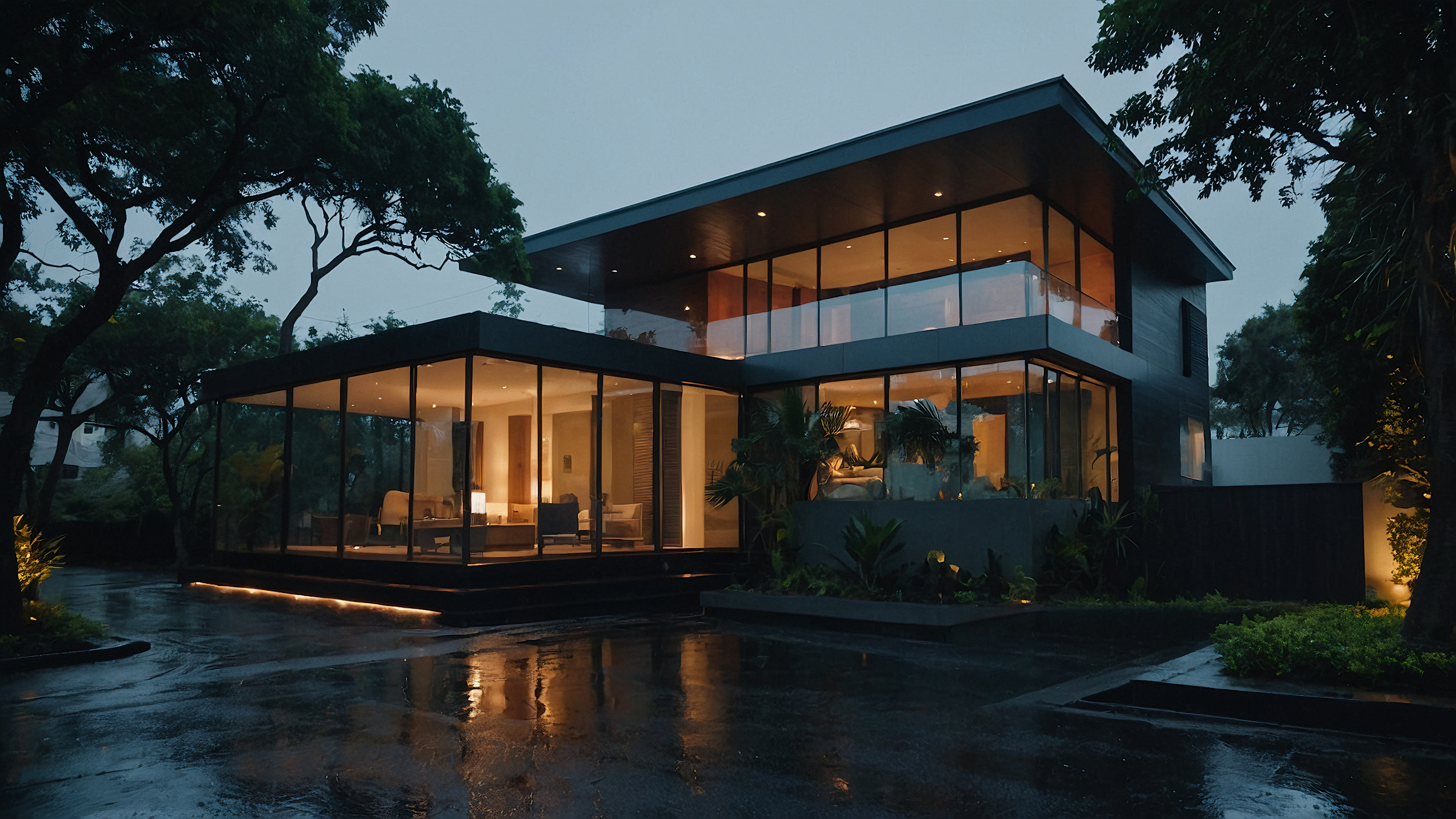
From the Street to the Living Room: How ProLayers Window Film Elevates Residential Aesthetics Inside and Out
Most home improvement decisions force a choice between interior and exterior impact. A new kitchen improves the experience of being inside the home without changing how it looks from the street. New landscaping improves curb appeal without affecting the interior environment. The two realms of residential aesthetics tend to be addressed separately, with separate investments and separate results.
Residential window film from ProLayers is one of the few upgrades that operates meaningfully in both directions simultaneously — changing how a home looks from outside while improving the visual environment within.
What the Street Sees
The exterior appearance of a home is defined primarily by its largest surfaces: the roof, the walls, the entry. But windows — by virtue of their visual complexity and their interaction with light — carry a disproportionate share of the home's aesthetic character from the street.
Plain, untreated glass windows have a flat, neutral quality that neither adds nor subtracts from the façade. They are visually inert. They do not participate in the architectural composition of the home's exterior beyond their shape and placement.
ProLayers residential window film gives the glass surface an active visual role. Depth-finish films add a richness and tonal quality that makes windows read as finished elements rather than voids in the wall. Reflective films create dynamic, light-interactive surfaces that change character throughout the day. Frosted films introduce a soft luminosity that is particularly striking in the evening, when interior light glows softly through the diffusing surface.
In each case, the windows go from being passive openings to being active contributors to the home's exterior appearance — and the overall effect on curb appeal is immediate and genuine.
What the Interior Gains
From inside the home, the aesthetic contribution of ProLayers window film is more subtle but equally real. The quality of light entering through film-treated glass is different from the light that comes through untreated panes — not dramatically different, but perceptibly refined.
Depth and tonal films reduce the harshness of direct sunlight, evening out the light quality in rooms that receive strong direct exposure during certain parts of the day. The interior feels more consistently and comfortably lit, with less of the high-contrast brightness that direct sun through clear glass creates.
Frosted film transforms direct light into something ambient and diffuse — the kind of soft, even illumination that interior designers typically work hard to achieve through artificial means. Rooms with frosted-film windows have a light quality that feels considered and intentional, as if the space were designed with that specific character in mind.
Reflective film, when viewed from inside, typically maintains good outward visibility while subtly deepening the quality of the glass surface — adding a visual interest to the window itself that plain glass does not possess.
Film as Finishing Touch
There is an analogy that holds particularly well for residential window film: the frame around a painting or photograph. The frame does not change the content of the image. It does not add information or alter the fundamental visual experience of looking at the picture. What it does is give the image context, definition, and completion — the sense that the work is finished and intentional rather than simply existing.
ProLayers residential window film does something similar for the home's windows. The glass is already there. The frame is already there. The view is already there. What the film adds is a surface treatment that completes the window as a design element — giving it the character, finish, and visual presence that plain glass, for all its practical virtues, does not inherently possess.
This is why homeowners so often describe a ProLayers film installation as making the home look more finished. Not dramatically different, but more complete — as if the last detail of a considered design had finally been attended to.
Versatility Across Architectural Styles
One of the strengths of the ProLayers residential film range is its breadth — the variety of finishes, depths, and visual effects available across the product line allows the film to serve homes of genuinely diverse architectural character.
A contemporary home with flat rooflines and large expanses of glazing benefits from ProLayers reflective or deep-tone films that emphasize the architectural geometry and give the glass surfaces a strong visual identity. A traditional home with smaller, more architecturally detailed windows benefits from depth-finish or subtle tonal films that add refinement without competing with the existing architectural language. A cottage or craftsman home finds its character enhanced by frosted or patterned film applications that complement the home's emphasis on texture and detail.
ProLayers works across all of these contexts with equal effectiveness, providing an aesthetic upgrade that serves the home's existing character rather than overriding it.