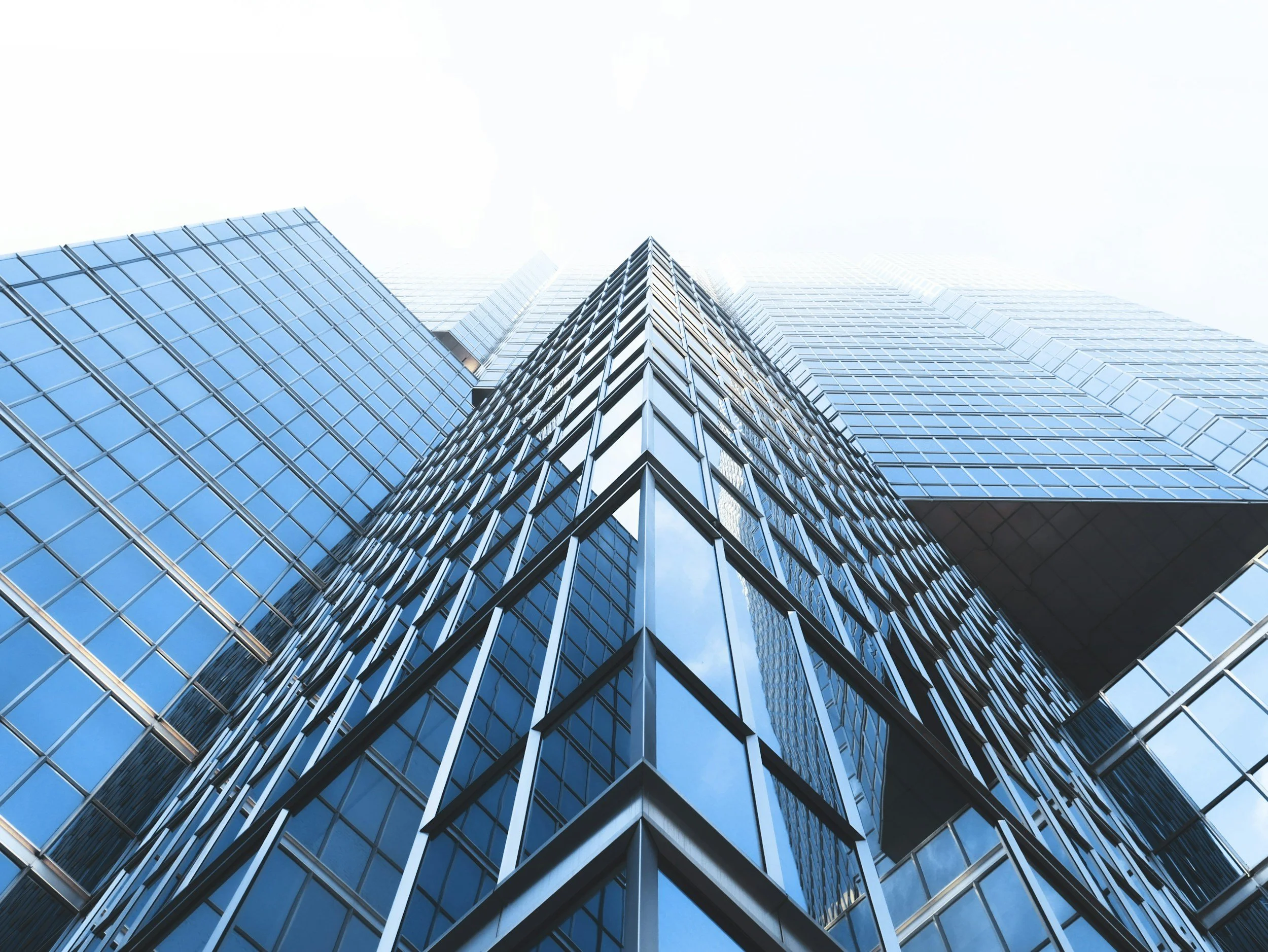
First Impressions, Refined: How ProLayers Window Film Transforms Commercial Exterior Identity
A building's exterior is, in the most literal sense, its face—the visual expression of everything happening inside, the first impression offered to every visitor, client, and passerby. In commercial architecture, where buildings represent brands as much as they house operations, the quality of that impression carries real economic weight. Glass is among the most visible and impactful components of any commercial exterior, and untreated glass is rarely doing as much for a building's appearance as it could.
ProLayers, a developer and distributor of advanced architectural window film, has built a commercial product line that treats glass not merely as a functional material but as a design surface. Window film applied to commercial glass is an architectural element in its own right—one capable of introducing color, reflectivity, texture, and visual cohesion to an exterior that may be technically sound but aesthetically underperforming.
For architects, property managers, and business owners who understand that appearance is not superficial but strategic, ProLayers window film offers a versatile, cost-effective approach to elevating commercial exterior identity.
The Aesthetic Limitations of Untreated Glass
Standard commercial glass, while transparent and structurally effective, has significant aesthetic limitations. Its appearance varies dramatically depending on lighting conditions—highly transparent under certain light, highly reflective under others, and often inconsistent across a single facade where panels age differently, receive different amounts of direct sun, or back up against different interior conditions.
This inconsistency is particularly noticeable on larger commercial buildings, where a glass facade is meant to present a unified, intentional appearance but instead shows the accumulated variation that comes with uncontrolled glass surfaces. Even on smaller properties, the flat, undifferentiated look of untreated glass can make a facade feel generic and unmemorable when a more distinctive appearance is desirable.
ProLayers window film addresses these limitations by introducing a controlled, consistent visual treatment across all glass surfaces. Whether the design goal is a subtle refinement or a dramatic transformation, the right ProLayers film can deliver it with precision and permanence.
A Range of Finishes for Every Design Vision
The breadth of ProLayers' commercial window film portfolio reflects the diversity of aesthetic goals across commercial property types. At one end of the spectrum, films like Soft Tone Layers introduce a barely perceptible enhancement—a slight refinement in the appearance of the glass that creates consistency without announcing itself. For buildings where the design goal is an understated, clean aesthetic, this kind of subtle enhancement can make a significant difference without altering the fundamental character of the facade.
For properties where a bolder statement is appropriate, ProLayers offers films with higher reflectivity and more pronounced color characteristics. A metallic or mirrored finish can give a commercial building a sleek, contemporary presence that stands out in an urban environment. A warm bronze or neutral gray treatment can lend sophistication and weight to a facade that might otherwise appear generic.
The Skyline Privacy Layers product line offers an intermediate option—a moderately reflective finish that creates a polished, professional exterior appearance while delivering the privacy and solar control benefits that most commercial applications require. This balance of aesthetics and function reflects the philosophy at the core of ProLayers' product development: that form and performance should be designed together rather than traded off against each other.
Visual Consistency as an Architectural Goal
On large commercial properties—multi-story office buildings, mixed-use developments, retail complexes—visual consistency across an extended glass facade is an architectural objective that standard glass routinely fails to achieve. Variations in glass panel age, specification, interior use, and sun exposure all contribute to a facade that looks uneven when viewed from across the street or above.
ProLayers window film brings consistency to these facades by standardizing the optical characteristics of every glass surface it covers. Reflectivity, color, and transparency can be matched precisely across an entire building, creating a unified appearance that reads as intentional and refined rather than assembled from whatever glass was available at the time of construction.
This visual unification is especially valuable in retrofit applications, where a building's glass may have been replaced piecemeal over years and no longer matches from panel to panel. Window film can create a coherent exterior identity from a collection of mismatched glass surfaces at a fraction of the cost of replacing all the glass to match.
Exterior Enhancement That Works From Both Sides
One of the most important considerations in commercial exterior design is how enhancements affect the experience of people inside the building, not just those viewing it from outside. A film that creates a dramatic exterior effect but makes interiors dark and uninviting, or that distorts views outward, is not a successful design solution regardless of how it looks from the street.
ProLayers window films are engineered to balance exterior aesthetic impact with interior quality. Films that add reflectivity or color to an exterior can do so while maintaining high visible light transmission inside, preserving the bright, connected interior environment that occupants and visitors expect. Glare reduction and UV control come as additional benefits, making the interior not just visually preserved but actively improved.
This dual performance—exterior identity enhancement and interior comfort improvement achieved simultaneously—is what makes ProLayers window film a genuinely strategic design investment for commercial properties. The building looks better from the outside and functions better from the inside, with a single solution applied to its existing glass.