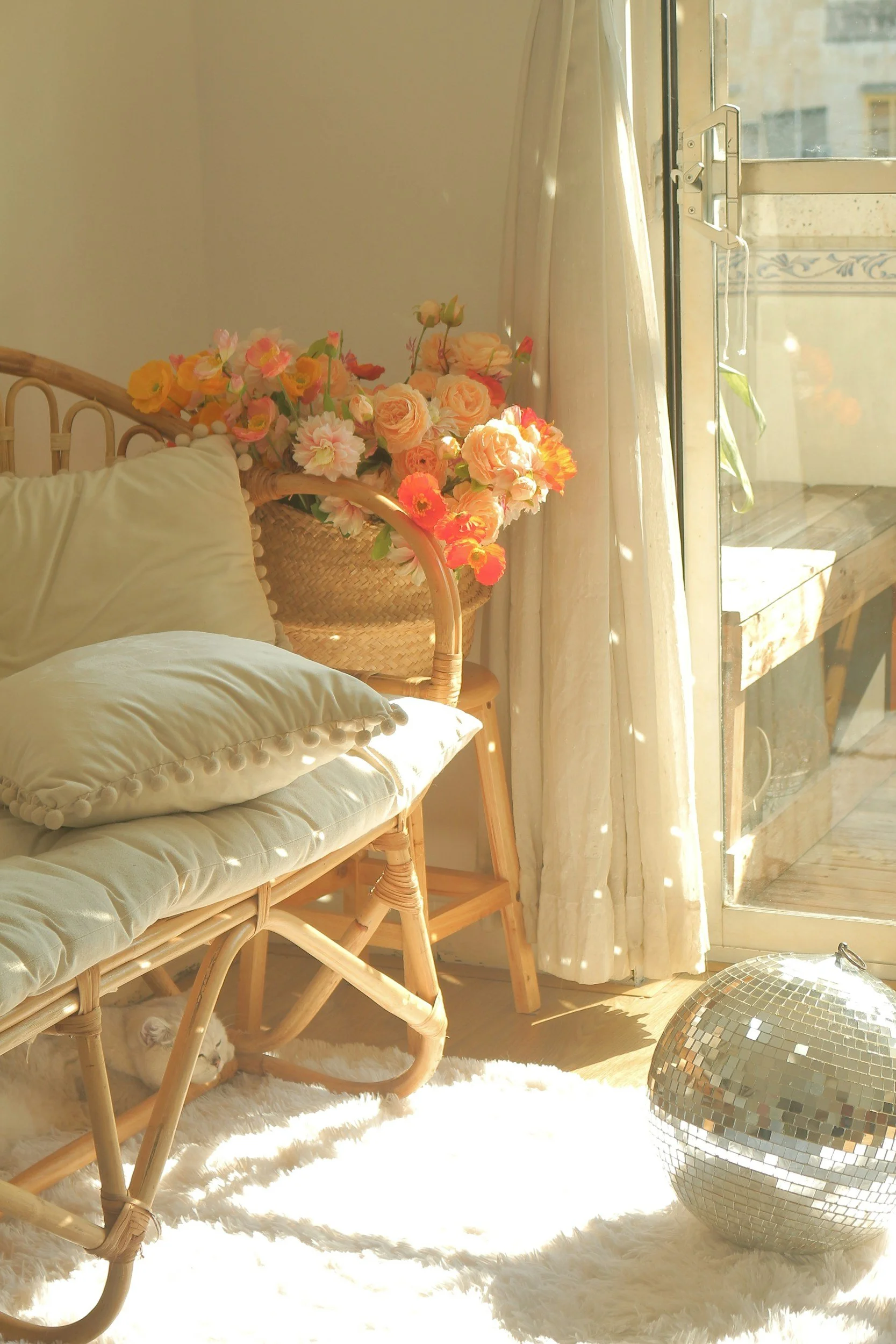
The Sun Is Working Against Your Home Every Day — ProLayers Window Film Makes Sure It Doesn't Win
There is a version of your home that exists only in memory — the way the floors looked when they were first installed, the depth of color in the upholstered chair you saved up for, the richness of the area rug that ties the living room together. Most homeowners, if they are being honest, can identify at least one interior element that does not quite look the way it once did. The color is a little flatter. The material feels a little more worn. Something has shifted, gradually and without announcement, in the wrong direction.
In the majority of cases, sunlight is responsible. And in the majority of cases, the damage was entirely preventable.
ProLayers, a leading developer and distributor of premium residential window film, has built a product line specifically designed to intercept solar radiation before it reaches the interior of a home — preserving what is inside while leaving everything homeowners love about natural light completely intact.
The Invisible Damage Accumulating Right Now
Ultraviolet radiation is present in sunlight regardless of season, regardless of cloud cover, and regardless of whether the day feels particularly sunny. It passes through standard residential glass without obstruction and begins immediately interacting with the materials it contacts — breaking down chemical bonds in dyes, finishes, fabrics, and organic compounds at a molecular level.
This process is not dramatic. It does not happen overnight. It is slow, cumulative, and almost entirely invisible until enough time has passed for the damage to become undeniable. A rug fades in the patch where afternoon light falls every day. Hardwood floors develop an uneven tone, lighter where the sun reaches, darker in the corners it never touches. Upholstery that once held a deep, saturated color begins to look washed out in a way that no amount of cleaning can reverse.
By the time most homeowners notice these changes, years of UV exposure have already done their work. ProLayers residential window film stops that process before it starts — or, for homeowners installing it in a home that has already experienced some sun exposure, stops it from going any further.
What ProLayers Film Actually Blocks
The protective performance of ProLayers residential window film comes from its ability to filter the solar spectrum selectively. UV radiation — the wavelengths responsible for the overwhelming majority of interior fading and material degradation — is blocked at a rate that approaches total elimination. The film intercepts these wavelengths at the glass surface, preventing them from entering the home regardless of how much visible light continues to come through.
This distinction matters. The goal is not to darken the home or reduce the experience of living with natural light. The goal is to remove the harmful portion of the solar spectrum while leaving the pleasant and functional portion largely untouched. ProLayers engineers its residential film products to do exactly that — delivering UV protection that is comprehensive without being visible, and without meaningfully altering the quality of light that fills the interior.
The film also addresses the infrared component of solar radiation, reducing heat gain alongside UV filtration. But for homeowners focused primarily on protecting their interiors, the UV blocking performance is the headline — and it is effective from the moment installation is complete.
Floors, Furniture, and Everything That Makes a Home Feel Like Home
The materials most vulnerable to UV damage are, not coincidentally, the ones homeowners tend to invest in most heavily. Hardwood and engineered wood flooring. Area rugs and broadloom carpet. Upholstered sofas and chairs. Drapery and fabric window treatments. Leather furniture. Artwork. Photographs. The collected objects that give a home its particular character.
All of these materials contain dyes, pigments, finishes, or organic compounds that UV radiation degrades over time. ProLayers residential window film creates a protective layer between those materials and the radiation working against them — extending their useful life, preserving their appearance, and protecting the investment that went into acquiring them in the first place.
For homeowners who have experienced the frustration of replacing flooring or reupholstering furniture prematurely due to sun damage, the calculus is clear. Prevention through ProLayers film costs a fraction of what remediation costs — and it works continuously, every day, without any additional effort.
Artwork and Irreplaceable Items Deserve Particular Attention
Not everything damaged by UV radiation can be replaced with money. Family photographs. Original artwork. Heirloom textiles. Books with sentimental value. Handmade or one-of-a-kind decorative pieces. These items carry meaning that no insurance claim or replacement purchase can recover.
UV radiation does not distinguish between the commercially replaceable and the genuinely irreplaceable. It works on all of them with equal indifference — fading inks, yellowing paper, degrading pigments, weakening delicate materials.
ProLayers residential window film extends its protection equally to everything in the home. The same UV-blocking performance that preserves flooring and furniture also protects the framed photograph on the hallway wall and the painting that has been in the family for generations. For homeowners with meaningful collections or cherished objects displayed in sun-exposed rooms, this protection is not a convenience — it is a genuine preservation strategy.
Cloudy Days Are Not Safe Days
One of the most persistent misconceptions about UV protection is that it only matters when the sun is shining. This misunderstanding leads many homeowners to underestimate how much cumulative UV exposure their interiors receive over the course of a year.
UV radiation penetrates cloud cover. On an overcast day, the majority of UV energy present on a clear day still reaches the earth's surface and passes through unprotected window glass into the home. The rate of material degradation slows somewhat in indirect light compared to direct sunlight, but it does not stop.
ProLayers residential window film works continuously — on sunny days, on cloudy ones, through all seasons, at all hours when daylight is present. There is no mode of solar exposure under which the film is not providing protection. This all-conditions performance is part of what makes it such a reliable long-term investment for homeowners who are serious about preserving their interiors.
A Subtle Upgrade With Compounding Returns
One of the most appealing aspects of ProLayers residential window film is how quietly it does its work. There is nothing to see, nothing to manage, and nothing to adjust. Once installed by a ProLayers professional, the film becomes a permanent and invisible feature of the glass — bonded securely, maintaining its optical clarity and protective performance without peeling, bubbling, or degrading over years of normal use.
The returns on that installation compound over time. In the first year, the floors look the way they looked on installation day. In the fifth year, the furniture still holds its color. In the tenth year, the artwork on the walls has not faded. None of that preservation is visible in the way that damage would have been — it is the absence of something that was prevented, not the presence of something new.
That is, in many ways, the highest compliment that can be paid to a protective product. It works so well, for so long, that what homeowners notice most is simply that nothing has gone wrong.
ProLayers has built its reputation on exactly that kind of performance. For homeowners who want to protect what they have built inside their homes, it is the most sensible place to start.