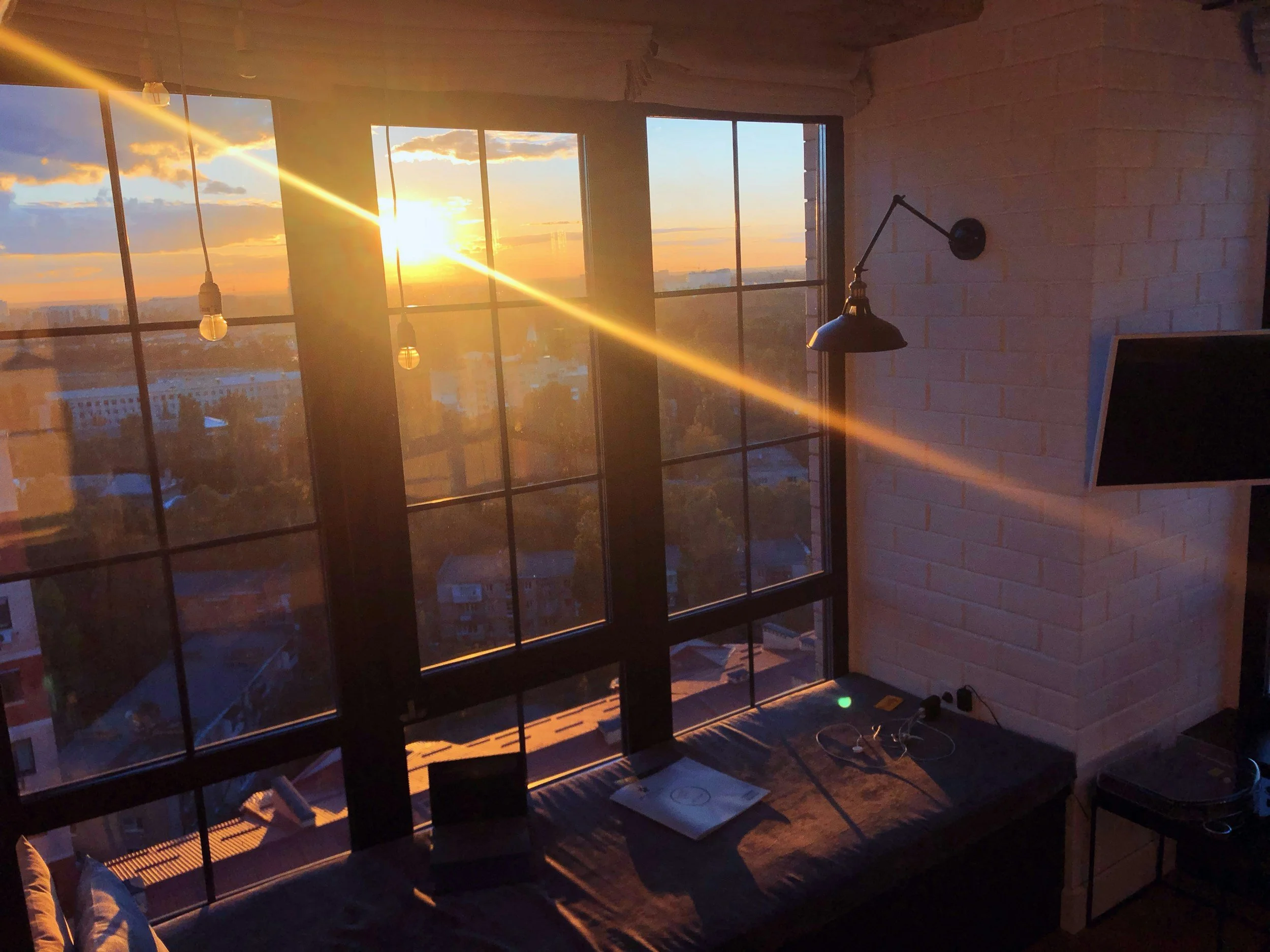
Preserve the Home You've Built: How ProLayers Residential Window Film Protects Interiors From UV Damage
A home is not assembled all at once. It comes together over years — through considered purchases, inherited pieces, accumulated art and objects, flooring chosen carefully and installed properly, furniture selected to last. The interior of a well-kept home represents not just financial investment but time, taste, and the specific story of the people who live there.
Ultraviolet radiation does not care about any of that. It works against all of it, every day, with complete impartiality.
ProLayers, a developer and distributor of some of the most advanced residential window film products on the market, builds its UV-protective film lines specifically to stand between the home's interior and the solar radiation working steadily to degrade it. For homeowners who have invested meaningfully in their spaces — and who want that investment to hold its value — it is one of the most practical upgrades available.
Understanding Why UV Is the Primary Threat
Sunlight contains energy across a wide spectrum of wavelengths. Visible light is what the eye perceives as brightness and color. Infrared radiation is what the skin perceives as warmth. And ultraviolet radiation is what does the majority of the damage to interior materials — largely invisible, entirely relentless, and present every day that daylight reaches the windows.
UV wavelengths carry enough energy to break the chemical bonds that hold dyes, pigments, and organic compounds together. This is why colors fade — the molecules responsible for producing them are being broken down at a rate the material cannot repair. It is why fabrics weaken, why leather cracks, why paper yellows, why wood finishes lose their depth. The material is not simply aging in the conventional sense. It is being chemically altered by ongoing radiation exposure.
Standard residential glass does not filter these wavelengths. They pass through as freely as visible light, reaching every surface in the room without obstruction.
ProLayers residential window film changes this. Applied professionally to the interior glass surface, the film blocks the overwhelming majority of UV radiation — intercepting it before it ever enters the home and eliminating the primary driver of interior material degradation.
Room by Room: What Is Actually at Risk
The scope of UV vulnerability inside a typical home is broader than most homeowners initially appreciate. Walking through the spaces where sunlight regularly falls tells a more complete story.
In the living room, upholstered sofas and chairs sit in afternoon light. Area rugs anchor the space below windows. Artwork and framed photographs hang on sun-facing walls. Every one of these items is accumulating UV damage under unprotected glass.
In the dining room, the table and chairs catch direct morning sun. A sideboard holds objects that have been in the family for years. The flooring beneath runs from one end of the room to the other, with the area nearest the windows receiving a disproportionate share of UV exposure.
In bedrooms, bedding, drapery, and upholstered headboards are exposed during the hours when sunlight tracks across the room. In a home office, paper documents, books, and the materials of daily work life all absorb UV alongside the furniture.
ProLayers residential window film protects all of these spaces simultaneously. A single installation across the home's sun-exposed windows creates a comprehensive UV barrier that works in every room, at all hours of daylight, without any further action required.
The Uneven Fading Problem
One of the most visually frustrating consequences of UV damage is uneven fading — the differential discoloration that occurs when some parts of a surface are exposed to direct sunlight while others are shaded.
Hardwood floors are a particularly clear example. The strip of flooring in front of a south-facing window may fade significantly over years of daily direct sun exposure, while the flooring under a sofa or along a shaded wall retains its original tone. The contrast becomes visible — and eventually impossible to ignore — without the flooring having been replaced or refinished.
The same pattern occurs with rugs, where the exposed center fades while the edges under furniture stay vivid. With upholstery, where one arm or cushion catches more sun than another. With drapery panels, where the side facing the window bleaches more quickly than the interior fold.
ProLayers window film prevents uneven fading by reducing UV exposure uniformly across the entire room. The floor near the window and the floor across the room age at the same rate, under the same conditions. The rug holds its pattern evenly. The furniture maintains consistent color from one side to the other.
The Long Timeline of Protection
Part of what makes UV protection through ProLayers window film such a sound investment is the timeline over which it pays out. The benefits are not front-loaded — they accumulate continuously, growing more significant with each passing year.
In the near term, the film is stopping damage that would have occurred. In the medium term, it is preserving materials that would otherwise be showing the beginnings of fading and wear. In the long term, it is maintaining the interior condition of a home in a way that would be impossible without it — keeping the floors, furniture, artwork, and objects looking the way they were meant to look, for as long as the homeowner continues to live with them.
ProLayers builds its residential film products to match this long timeline. Professional installation using ProLayers systems is designed for durability — maintaining adhesion, optical clarity, and protective performance without deterioration over years of normal residential use. The film installed today is the film protecting the home a decade from now.
For homeowners who think about their property not just as a place to live today but as something worth preserving for the years ahead, ProLayers residential UV-protective window film is among the most considered and cost-effective decisions available. It works quietly, continuously, and indefinitely — protecting the home that has been built, one day at a time, against the one force that never takes a day off.